


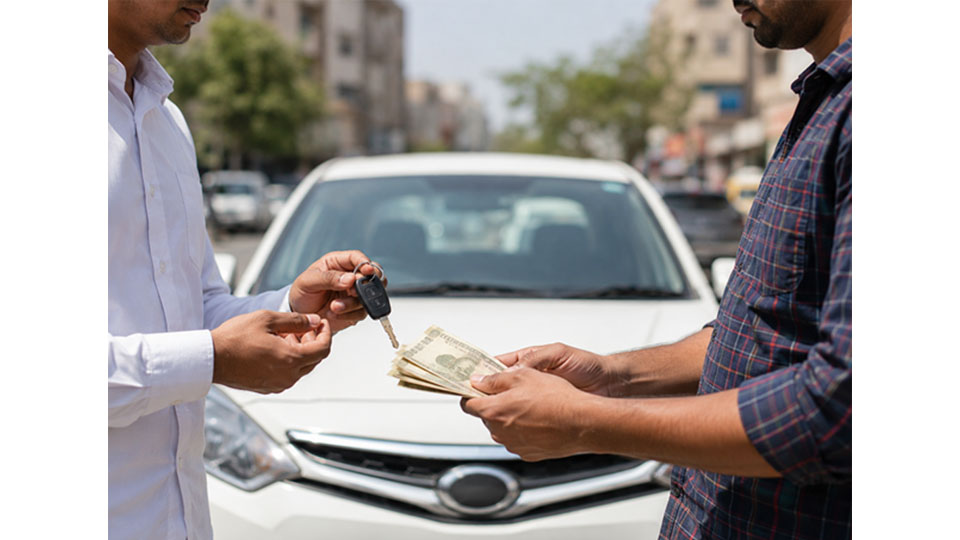
Delhi’s traffic enforcement ecosystem is one of the most sophisticated and aggressive in India. The city has a vast network of speed cameras, red-light detection systems, helmet and seatbelt compliance cameras, and ANPR (Automatic Number Plate Recognition) systems spread across major corridors, and it all feeds into a centralised digital challan system that links directly to the vehicle’s registration. If you’re buying a used car that’s been registered and driven in Delhi or the NCR for any significant period, the probability of pending challans is higher than most buyers assume.
This matters for a very specific reason. Under the Motor Vehicles Amendment Act, 2019, challans in India are tied to the vehicle’s registration number, not to a specific owner. When you purchase a used car, any unpaid challans against that registration come with it. Unlike some other financial liabilities, which require specific indemnity agreements or NOCs, challan liability is simply a function of holding the RC. The transport office may or may not flag this at the time of ownership transfer, depending on how the local implementation works. But the outstanding challan will surface eventually.
Delhi has also seen some of the steepest challan amounts post the 2019 amendment. Jumping a red light now attracts a fine of ₹5,000 for the first offence. Driving without a valid RC or driving under the influence attracts fines in the range of ₹10,000 or higher. If the previous owner of a car has accumulated multiple such challans and not paid them, you could be walking into a five-figure liability before you’ve driven the car home.
A challan check using the registration number reveals all pending dues in minutes, including the full Delhi traffic challan history generated by the city’s camera network.
The practical check is simple. Do a challan check using the vehicle’s registration number before agreeing on price or signing any documents. This check pulls from the national traffic challan database and will show all pending dues. If there are outstanding amounts, either negotiate for the seller to clear them or deduct the total from the purchase price, and ideally, confirm the clearance has been made before you take delivery.
Beyond the immediate financial risk, there’s a secondary complication. If a challan remains unpaid for a long period, enforcement action can include the vehicle being flagged for seizure when spotted. In Delhi’s enforcement environment, this isn’t a theoretical concern, it’s a documented outcome for long-delinquent challans.
The delhi traffic challan portal also lets you check challans specifically issued in Delhi, which is useful if the car has been registered in Delhi but you’re buying it for use outside the state, or if you want to know whether the challans are Delhi-specific versus from another state’s enforcement system.
For NCR buyers specifically, particularly those in Noida, Gurgaon, or Faridabad, a car registered in Delhi but regularly used across state borders may have challans from multiple state systems. Checking Delhi specifically is a start, but a national-level check is the complete picture.
The used car market in Delhi NCR is enormous and moves fast. In that environment, it’s easy to feel pressure to make quick decisions on a car you like. Don’t let that urgency bypass a step that takes two minutes and protects you from an undefined financial liability.
The Scale of Delhi’s Enforcement Network
Delhi’s enforcement coverage extends well beyond the obvious arterial roads. The city’s Integrated Traffic Management System (ITMS) includes cameras at major intersections across all districts, Central, South, East, West, and North Delhi, as well as on key flyovers and expressway approach roads. Cars that have been driven across different parts of the NCR region may have challans issued by traffic units from multiple zones feeding into the same database.
Financial Stakes and How to Verify
The fine amounts under the 2019 Motor Vehicles Amendment Act are substantial enough to matter. A single red-light violation: ₹5,000. Driving without a valid insurance: ₹2,000 for the first offence. Overspeeding in a zone: ₹1,000-₹4,000 depending on degree. Triple riding on a two-wheeler: ₹2,000. These add up quickly on a car that’s been driven by multiple owners without challan clearance between ownership changes.
One additional layer for Delhi NCR buyers is the odd-even and Graded Response Action Plan (GRAP) enforcement history. Vehicles driven in violation of odd-even restrictions during previous high-pollution periods may have challans from those specific enforcement drives, which operate on a different notification system than standard traffic challans but feed into the same vehicle record. For a car that’s been in Delhi during winter pollution emergencies, this is worth a specific check.

Recent Comments