


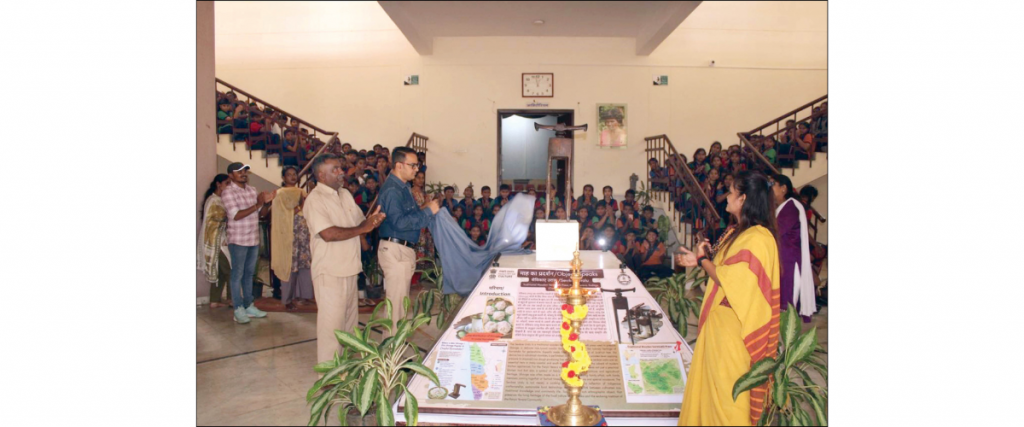
Mysuru: The August edition of the ‘Object Speaks’ series exhibition was inaugurated at the Zonal Anthropological Museum of the Anthropological Survey of India (AnSI), Southern Regional Centre, Mysuru, by the students and teachers of STG Public School, Mandya.
Dr. Mithun Sikdar, Head of Office, Anthropological Survey of India, Southern Regional Centre, Mysuru, encouraged the students to appreciate India’s rich cultural diversity through museum collections and indigenous traditions.
The highlight of this month’s exhibition is the ‘Sevikae Uralu’, a traditional wooden hand-operated vermicelli press used by the Panjiri Yerava community of Kodagu District.
Crafted from durable jackfruit wood, the ethnographic object reflects the ingenuity of indigenous technology and the community’s close association with food, family and tradition.
More than a kitchen implement, the ‘Sevikae Uralu’ symbolises collective labour, sustainable craftsmanship and the preservation of cultural identity across generations.
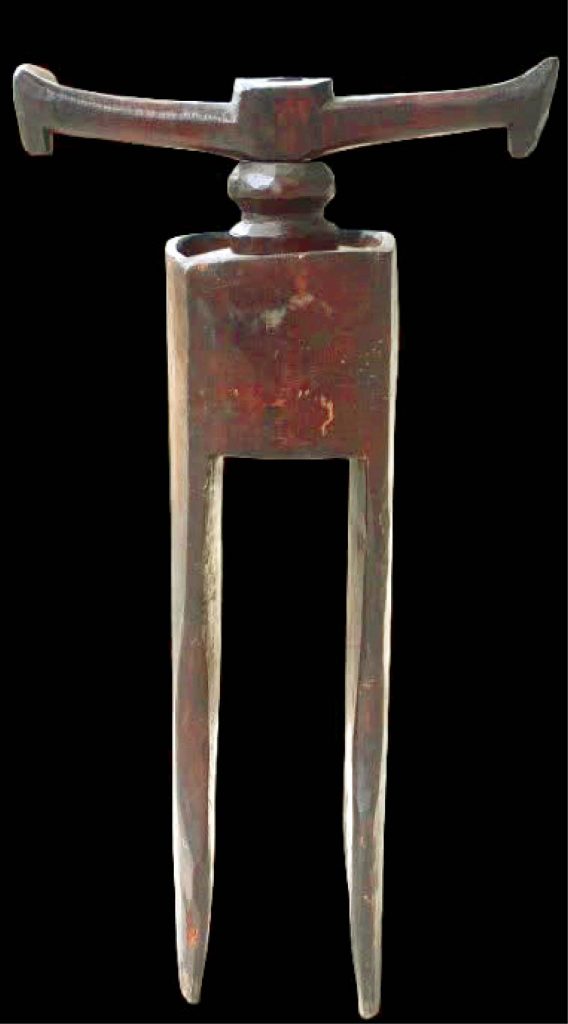
The exhibition traces the journey of Karnataka’s traditional handmade rice vermicelli (shavige or ottu shavige), prepared using the ‘Sevikae Uralu’.
It explains how steamed rice dough is transformed into delicate strands of vermicelli and highlights the historical significance of this culinary tradition, which has been cherished across coastal and southern Karnataka for centuries.
The display also explores the oral traditions of the Panjiri Yerava community, where the ‘Sevikae Uralu’ occupies a significant place in ancestral stories, agricultural life and community memory.
Through informative panels and engaging narratives, visitors can learn about the cultural heritage of the Panjiri Yeravas, their traditional lifestyle, indigenous knowledge systems and the enduring legacy of Karnataka’s food culture.
The exhibition illustrates how a simple household object can tell stories of history, identity, innovation and living heritage.
Curated by Dr. Banita Behera, the exhibition will remain open at the Zonal Anthropological Museum till Aug.31. Students, researchers and the general public can visit the exhibition and explore the story behind one of Kodagu’s traditional culinary implements.
Recent Comments