


Dr. Aathira Ravindranath, Consultant Paediatric, Gastroenterology, Apollo BGS Hospitals, Mysuru.
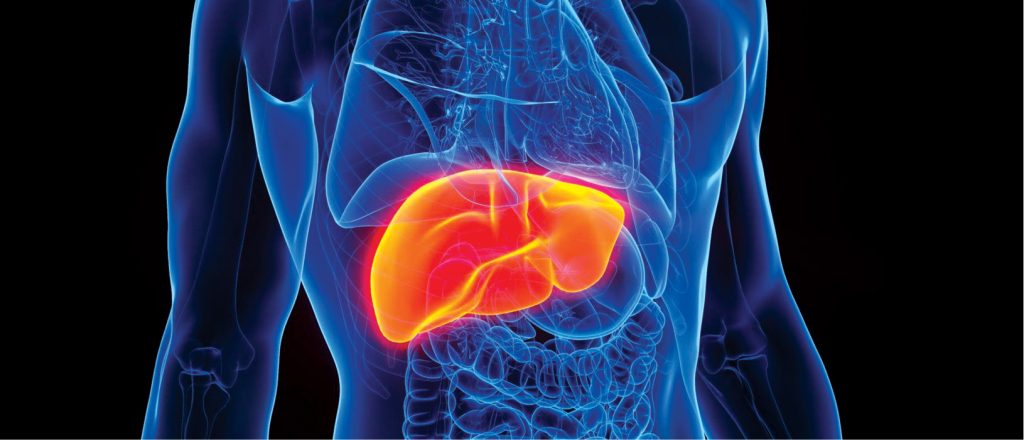
Progressive Familial Intrahepatic Cholestasis (PFIC) is a genetic condition where the liver undergoes damage due to accumulation of bile acids which are poisonous to the liver. The liver disease is gradually progressive and ends up in liver failure of the patient if timely treatment is not initiated.
The treatment for this disease initially is medical and if the patient doesn’t respond to medications the condition worsens and then liver transplantation is the only available option.

The medications which are available in India currently are Ursodeoxycholic Acid and Rifampicin. If the patient doesn’t improve even with these two first line medications, they end up requiring Liver Transplant.
The only other available treatment options are medications called Maralixibat and Odevixibat which cost around Rs. 10 lakh per month and are available only in Europe, North America and Japan.
Here we have a patient aged 18 years who has been under continuous treatment with Dr. Aathira Ravindranath, Consultant Paediatric Gastroenterology at Apollo BGS Hospitals, Mysuru, since 2021. He responded transiently to first-line therapy but later worsened. The jaundice continued to deteriorate and due to excess accumulation of the bile acids he had developed severe itching all over the body.
This significantly affected his daily activities of living like going to sleep, attending school, leading to suicidal thoughts as well. The family looked bleakly at Liver Transplantation as it was not a financially viable option.
With the unavailability and unaffordability of Maralixibat & Odevixibat in India, treatment options for this patient were almost nil.
While reviewing literature, Dr. Aathira came across a drug named Elobixibat which is commonly prescribed for chronic constipation in adults. Interestingly, this drug had a similar mechanism of action like the Maralixibat & Odevixibat. And it costed only Rs. 2,000 per month compared to Rs. 10 lakh per month for Maralixibat which had to be imported.
So, after multiple discussions with peers, weighing in the pros and cons of initiating this drug to the above-mentioned patient, taking a detailed informed consent from the parent, the patient was started on Elobixibat in 2025. He was closely monitored and was on regular follow up with Dr. Aathira.
His symptoms of severe itching and jaundice showed gradually improving trends and eventually he became symptom free. Currently he has successfully completed his education and is leading a happy life.
This clinical innovation has now been published in the Journal of Clinical and Experimental Hepatology after getting approval from the Ethics Committee of Apollo Hospitals which consists of professionals from various walks of life. It is the first time in the world that Elobixibat has been used in PFIC and found to be useful.
This publication has already snow-balled further research to assess this drug for future randomised controlled trials. India has to find solutions for our own problems and awakening the scientist in every physician can pave way for more therapeutic innovations.
This case highlights the importance of clinical innovation, evidence-based decision-making and patient-centred care in managing rare diseases with limited therapeutic options. In a setting where approved therapies were unavailable and liver transplantation appeared inevitable, the thoughtful use of Elobixibat by Dr. Aathira Ravindranath, following extensive literature review, multidisciplinary discussions, careful risk-benefit assessment and informed consent, resulted in remarkable clinical improvement.
The patient’s complete resolution of symptoms, improvement in liver function and restoration of quality of life demonstrate that judicious therapeutic innovation can offer hope where conventional treatment pathways have been exhausted.
This experience also emphasises the urgent need for wider accessibility of novel therapies for PFIC and encourages further clinical research to establish the safety and efficacy of Elobixibat as a potential treatment option in this challenging condition.
Apollo Mysuru stands as a beacon of not only clinical excellence but academic brilliance where the pursuit for international standards for patient’s betterment stands above everything else.



Recent Comments