


Managing travelling expenses has quietly become one of the most overlooked parts of planning a trip, whether it’s for business or leisure. People spend hours comparing flights and hotels, but when it comes to tracking what they actually spend during the trip, things often get messy. Receipts get lost, budgets go off track, and by the time the trip ends, it’s hard to even calculate the total cost properly.
According to a report by the Global Business Travel Association (GBTA), global business travel spending crossed $1.4 trillion in recent years, showing how massive and complex travel-related expenses have become worldwide. This scale of spending makes it clear that without proper systems in place, both individuals and businesses can easily lose control over where their money is going.
What Are Travelling Expenses in Modern Travel?
Travelling expenses today are no longer limited to just flights and hotel bookings. They now include everything from airport transfers and meals to subscriptions, last-minute bookings, and even small digital payments that add up without being noticed. What makes it more complicated is that these expenses happen across different platforms and currencies, often in a very short span of time.
For a business traveler, this could mean multiple invoices, reimbursement claims, and approvals, while for an individual, it might simply feel like constant spending without clarity. The nature of travel has changed, and so has the way money flows during a trip.
This shift has made it necessary to look at expenses not as isolated payments but as part of a larger financial picture that needs tracking and organization.
Role of a Trip Expense Manager in Cost Control
A trip expense manager brings structure to what otherwise feels like scattered spending. Instead of relying on memory or manually noting down expenses, it automatically tracks and categorizes each transaction, giving a clearer view of where money is going.
It also helps set budgets before the trip even begins. Once you define limits for categories like accommodation, food, or transport, the system can notify you when you’re nearing those limits. This kind of visibility changes behavior in subtle ways, helping travelers make more conscious decisions.
For businesses, the impact is even more noticeable. It reduces the time spent on reimbursements, minimizes errors, and creates a transparent system where every expense is accounted for without constant follow-ups.
Common Challenges in Managing Travel Expenses
One of the biggest challenges people face is fragmentation. Expenses happen across multiple apps, cards, and cash payments, making it difficult to bring everything together in one place. By the time you try to organize it, some details are already forgotten.
Another issue is delayed tracking. Many travelers only review their spending after the trip, which makes it impossible to control costs in real time. Without immediate visibility, overspending becomes almost inevitable.
There’s also the problem of manual processes, especially in corporate travel. Employees often have to collect receipts, fill out forms, and wait for approvals, which not only takes time but also leads to inconsistencies.
These challenges highlight why a structured system is no longer optional but increasingly necessary.
Features to Look for in a Trip Expense Manager
When choosing a tool, it’s not just about tracking expenses but how seamlessly it fits into your travel routine. A good system should automatically capture transactions from cards or bookings, reducing the need for manual input.
Real-time tracking is another important feature. Being able to see your spending as it happens gives you control that hindsight never can. It also helps if the platform supports multi-currency transactions, especially for international travel where exchange rates can affect your budget.
Around this point, the idea of a trip expense manager becomes more relevant because it’s not just about recording expenses but actually managing them as part of your overall travel experience.
Integration is equally important. The tool should work smoothly with booking platforms, payment systems, and reporting tools so that everything stays connected without extra effort.
How Businesses Can Optimize Travel Spending
For businesses, travel expenses are not just about individual trips but overall cost management. Without proper systems, small inefficiencies can turn into significant financial leakage over time.
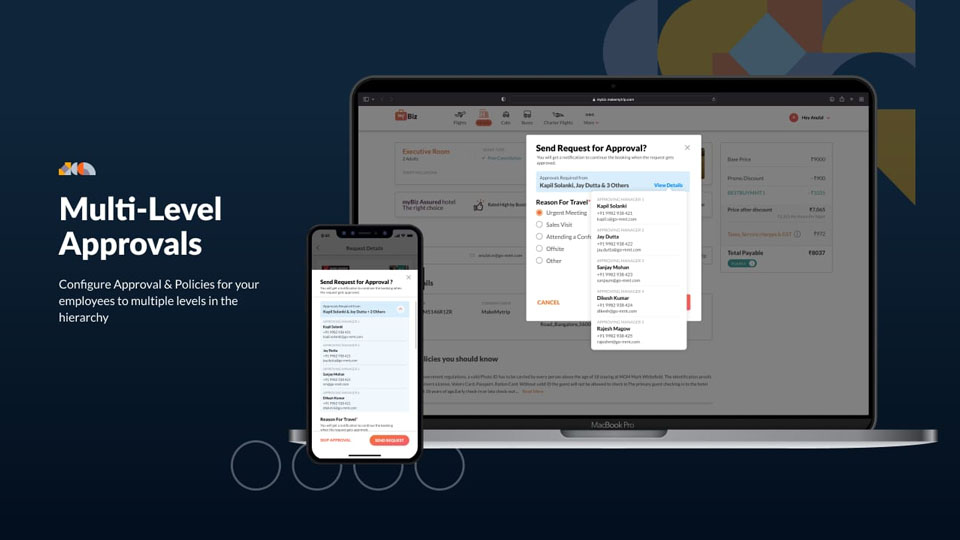
A structured expense management system allows companies to set clear policies, automate approvals, and analyze spending patterns. This helps identify areas where costs can be reduced without affecting the quality of travel.
It also improves compliance. When employees know that expenses are being tracked in real time, it naturally encourages responsible spending. Over time, this creates a culture where financial discipline becomes part of the travel process.
Digital Transformation in Expense Management Systems
The way travel expenses are managed has changed significantly with digital tools. What used to be a manual, paper-heavy process is now largely automated, with apps and platforms handling everything from tracking to reporting.
Cloud-based systems have made it easier to access data from anywhere, while mobile apps allow travelers to upload receipts or track expenses on the go. This shift has reduced delays and improved accuracy, making expense management more efficient overall.
Artificial intelligence and data analytics are also starting to play a role, helping predict spending patterns and offering insights that were not easily available before. These advancements are slowly turning expense management into a more proactive process rather than a reactive one.
Smart Integrated Platform
Integrated platforms are where things start to feel truly seamless. Instead of managing bookings and expenses separately, these systems bring everything together in one place, reducing the need to switch between tools.
myBiz by MakeMyTrip is designed with this integration in mind, allowing businesses to handle travel bookings alongside expense tracking. This creates a smoother workflow where data flows automatically, reducing manual effort and improving accuracy.
This kind of integration changes how organizations approach travel, making it less about managing chaos and more about maintaining control.
Conclusion
A smart trip expense manager doesn’t just track spending; it changes how you approach travel itself. With better visibility, fewer manual tasks, and integrated systems like myBiz by MakeMyTrip, managing travel expenses becomes simpler and more predictable. Over time, this shift helps both individuals and businesses stay in control without adding extra effort to the journey.

Recent Comments