


PM Narendra Modi to open Miyawaki Forest PM Narendra Modi to open Miyawaki Forest
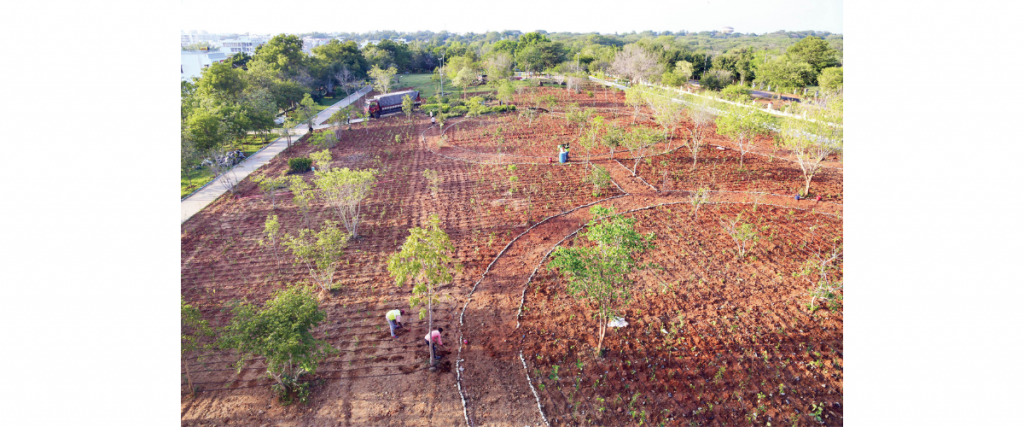
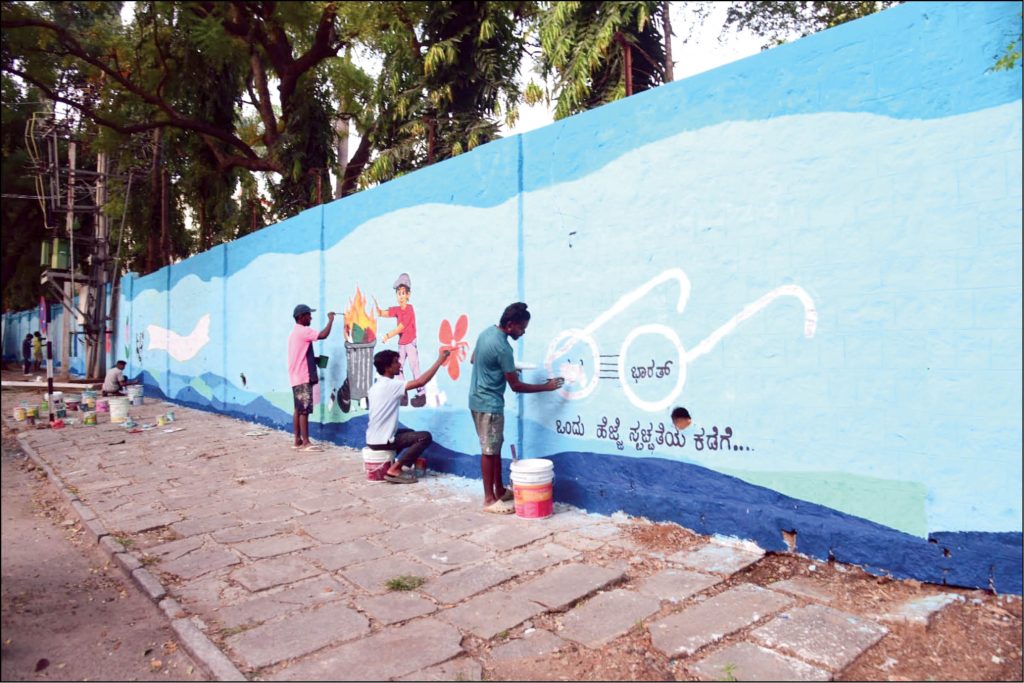
Mysuru: The Mysuru City Corporation (MCC) is developing another Miyawaki mini forest in the city, this time with the theme of Swachh Bharat Mission, designing its logo prominently at a park in Kempu Cheluvajammanni Nagar (K.C. Nagar), near the foot of Chamundi Hill. This park is next to Veerayodha A.P. Prashanth Park and has no official name.
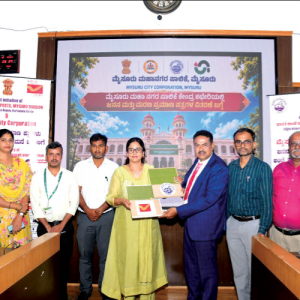
The project, spread across nearly four acres, is being taken up under the MCC’s ‘Namma Mysuru Namma Koduge’ initiative, with support from the SBI Foundation under its Corporate Social Responsibility (CSR) programme and in collaboration with Catch Foundation.
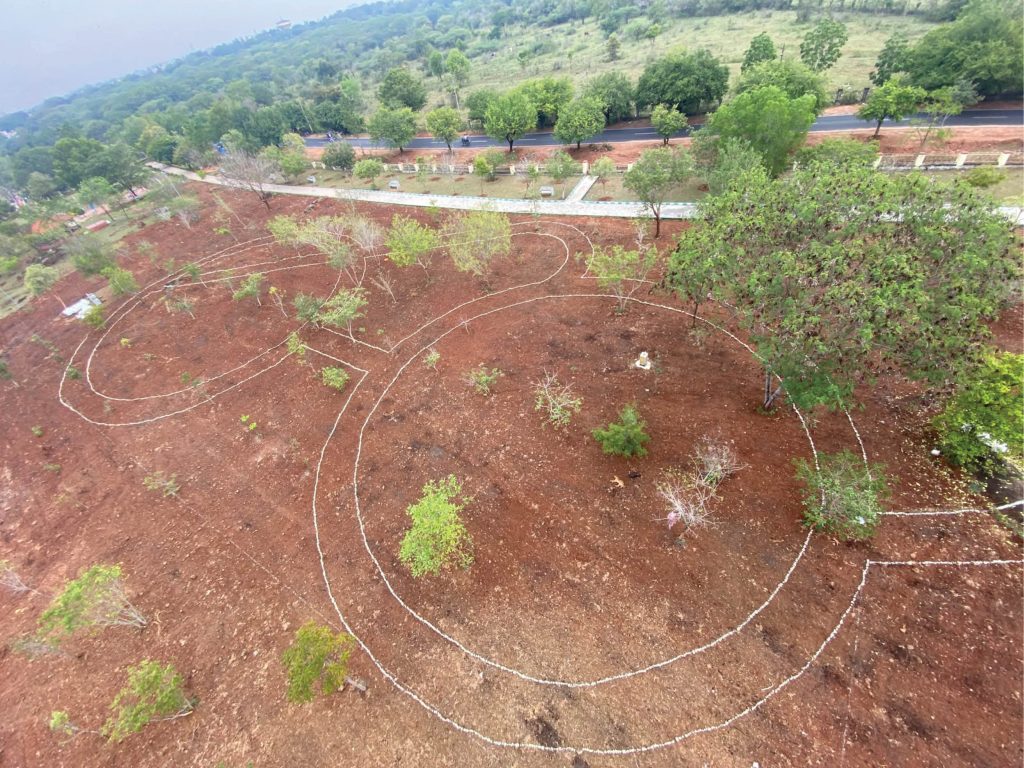
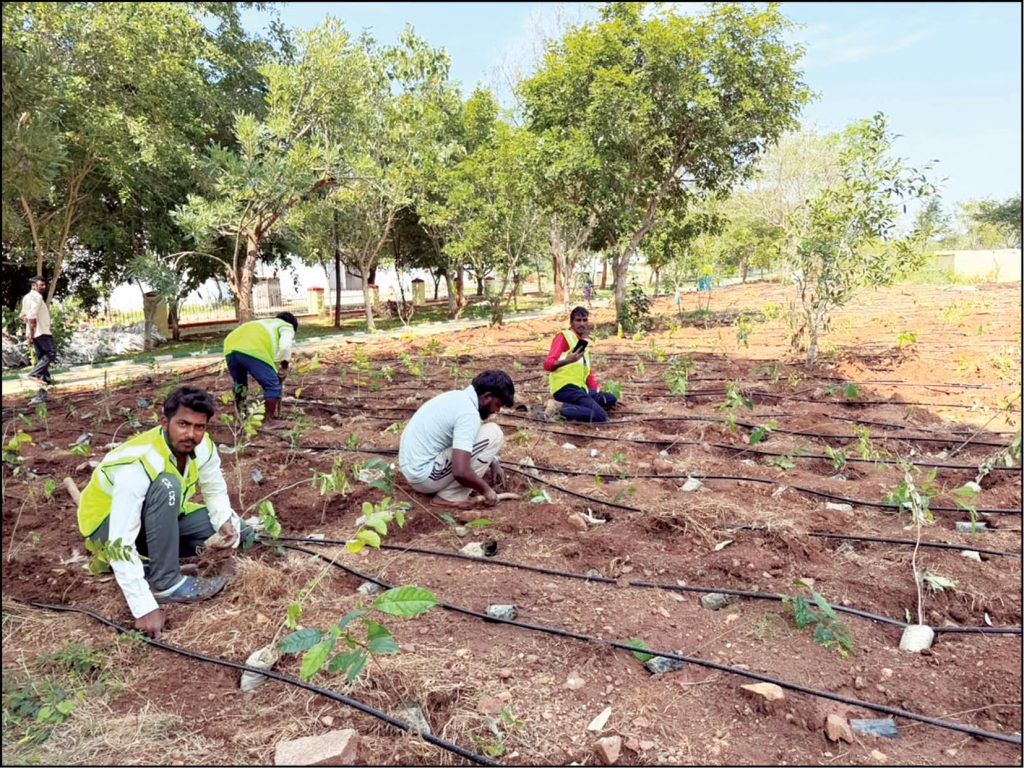
Around 40,000 saplings belonging to 48 indigenous species are being planted at the park. The Miyawaki method, which involves closely spaced planting of native trees and shrubs, is expected to create dense green cover in less time than conventional planting methods.
The MCC is also planning to plant 30,000 saplings in each of the two parks in Vijayanagar Fourth Stage. With these projects, the city aims to bring the total number of saplings planted under the Miyawaki model to one lakh.
Mysuru has already developed several mini forests using this method. A 1.2-acre park in Vijayanagar 3rd Stage has 12,000 native saplings while Jodi Bevinamara Park in Dattagalli, spread across 1.5 acres, has about 15,000 saplings.
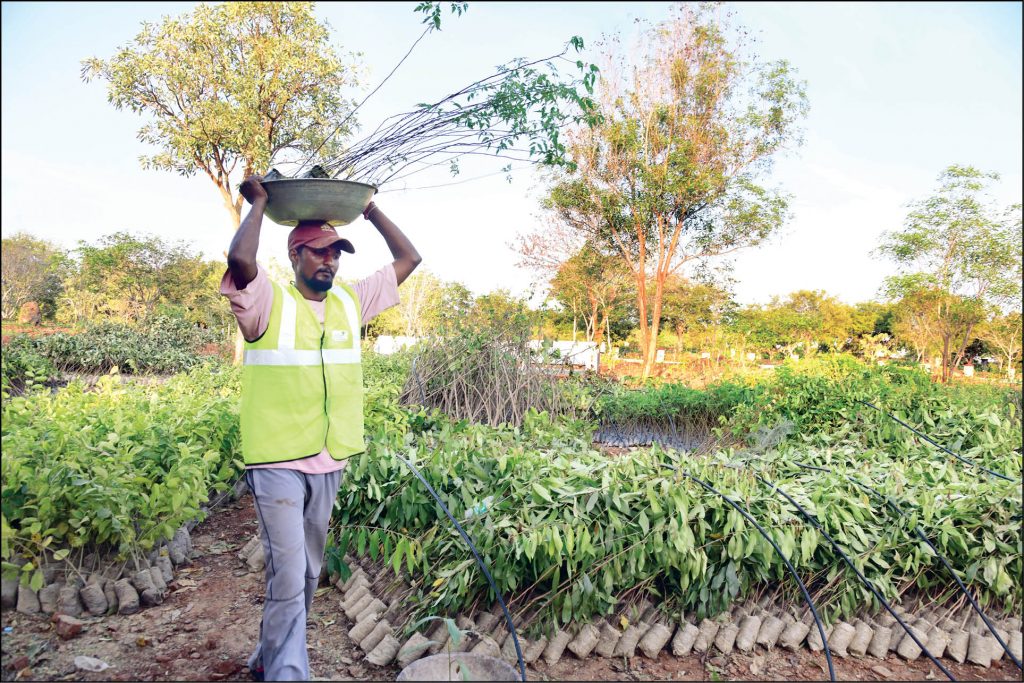
Another 15,000 saplings were planted at Salumarada Thimmakka Park in Dattagalli with support from Toyota Accessories Development Company. Around 20,000 saplings have also been planted in two parks at Rajivnagar, where Miyawaki forests are being developed.
Native species at park
P.K. Mohan Kumar, Assistant Executive Engineer in the MCC Horticulture Division, said 48 species of native trees and shrubs were being planted at K.C. Nagar Park.
These include ‘Arjuna’ and ‘Tapasi’, with 4,500 saplings each and ‘Neem’, ‘Honge’, ‘Dindiga’, ‘Matti’, ‘Hippe’, ‘Jamun (Nerale)’, ‘Honne’, ‘Dhaman’, ‘Kakke’, ‘Mango’ and ‘Bilva’, with 2,500 saplings each. Teak and ‘Chakote’ account for another 2,000 saplings each.
Other species include ‘Atti’ (fig), ‘Banyan’, ‘Peepal’, ‘Jackfruit’, ‘Bage’, ‘Padari’, ‘Akasha Mallige’, ‘Hole Dasavala’, Indian Gooseberry (Amla), ‘Kari Honne’, ‘Dhamana’, ‘Bili Honne’, ‘Godda’, ‘Hippunerale’ and ‘Karibevu’, among others.
The saplings are being planted close together to encourage dense growth, with a spacing of two feet between trees and one foot between shrubs, Mohan Kumar said.
The park landscape design will incorporate the Swachh Bharat Mission logo, with pathways winding through the forest in the shape of its familiar spectacles.
The design is expected to be particularly visible in drone photographs. Planting has begun and a drip irrigation system is being installed to supply water directly to the base of the saplings.
Three parks are located along the road from K.C. Nagar towards Lalithadripura. While one is being developed as a Miyawaki forest, work is also underway to improve the other two parks, including the construction and improvement of pedestrian pathways.
Just tree trimming
Clarifying reports of tree cutting along Lalithadripura Road ahead of a proposed visit by Prime Minister Modi on Nov.13, Mohan Kumar said only minor branches of roadside trees were being pruned to facilitate the movement of security vehicles.
No trees had been felled from the roots, he said, adding that the pruning was being carried out for security and administrative reasons.
Helps increase Mysuru’s green cover: M.K. Savitha
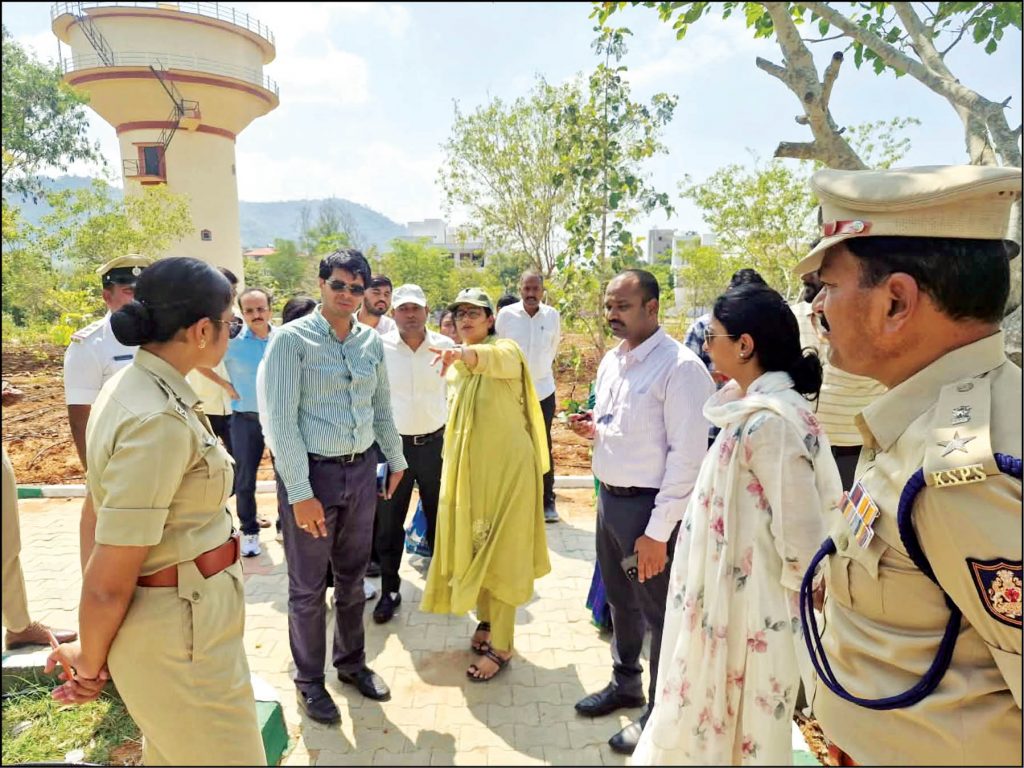
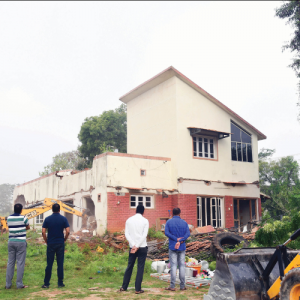
Mysuru: Ahead of Prime Minister Narendra Modi’s visit to Mysuru on Nov. 13 to inaugurate the Miyawaki mini forest being developed at K.C. Nagar Park, Deputy Commissioner G. Lakshmikanth Reddy conducted a spot inspection yesterday.
He was accompanied by MCC Commissioner M.K. Savitha, City Police Commissioner Seema Latkar, DCP Dr. Harsha Priyamvada, ZP CEO Ukesh Kumar and others. Speaking to SOM, Savitha said the project would help increase Mysuru’s green cover, check rising temperatures and improve biodiversity. It would also contribute to environmental conservation, sustainable urban development and better equipped to deal with climate change, she added.
‘Don’t cut trees to create Miyawaki forest’
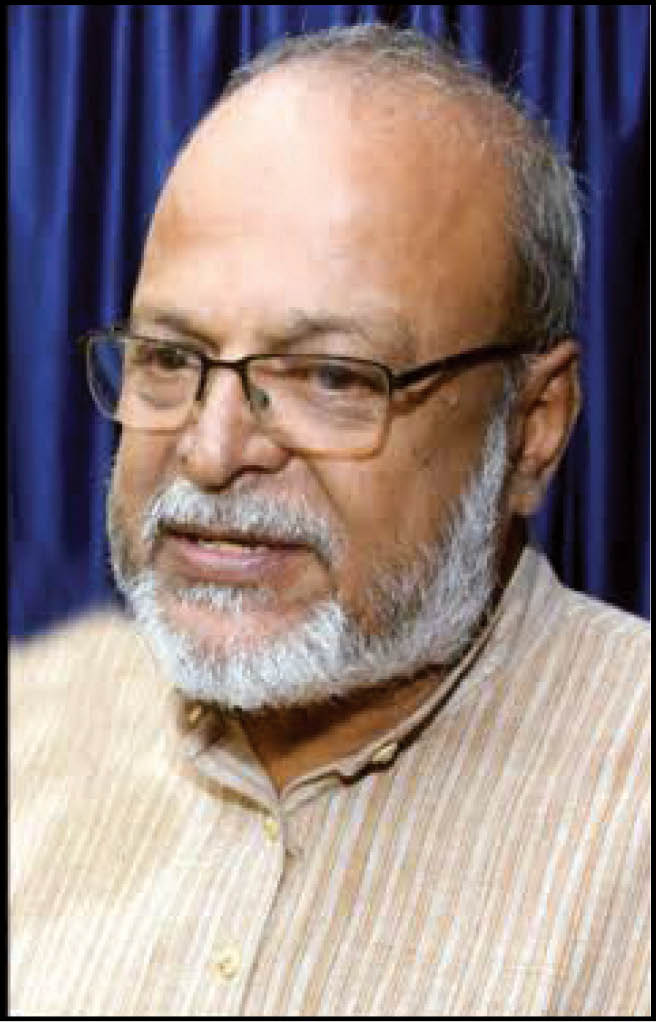
“Native trees are essential and Miyawaki is a good option for urban spaces as it allows dense planting in a small area, with high survival and growth rates. It provides shade, improves oxygen turnover and acts as a sound barrier. However, we should not mistake it for a real forest. Though it supports biodiversity, it does not have the character of a natural forest.
In cities, Miyawaki plantations make sense when taken up in suitable patches, using native species, rather than converting entire parks or planting trees merely for design. They can help reduce noise pollution and create effective barriers in appropriate locations.
Unfortunately, the current approach often focuses only on numbers and area, without considering ecological sensitivity. We cannot justify cutting existing trees in the name of creating a Miyawaki forest. The point of conservation is to protect the trees we already have, not lose them in the process.”
— Prof. U.N. Ravikumar, wetland expert and conservationist
‘A favourite place for Tittiba’
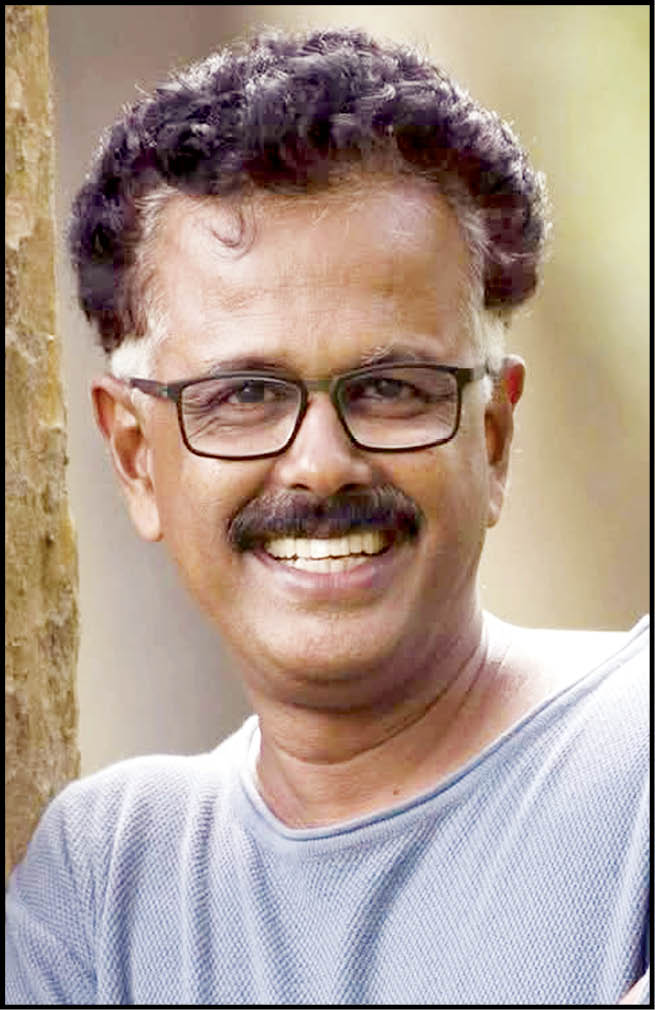
“Before the park was developed, the land was dry and had been left vacant despite provisions being made for a park. Yellow-wattled Lapwings, locally known as ‘Tittiba’, were found here in good numbers. They prefer dry land for breeding, as it provides good camouflage and they can find food easily. Once human interference increased, with people walking through the park and other activities taking place, the birds disappeared from the area. It used to be a beautiful sight. Now, we can spot them even here, including in the helipad area.”
— S. Shylajesha, bird watcher
Recent Comments