


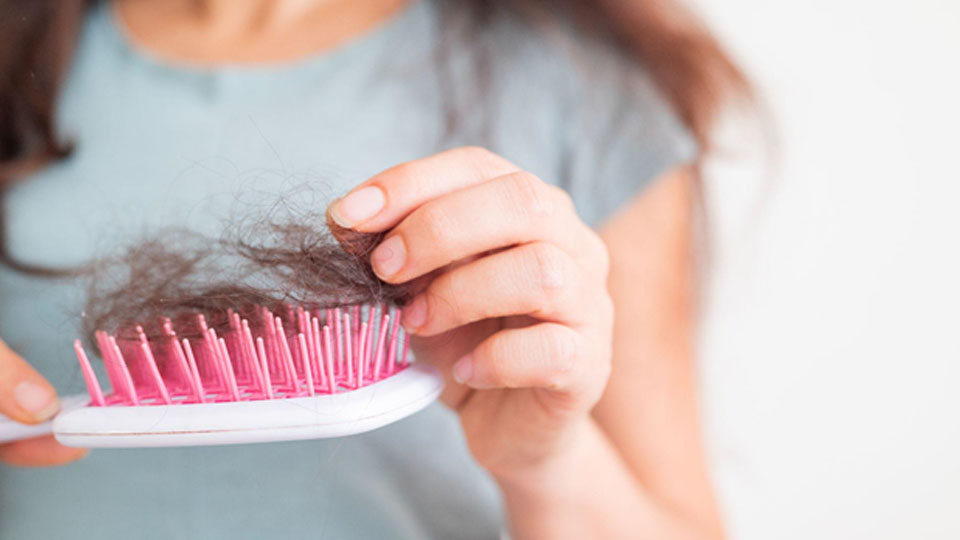
Every monsoon, the same thing happens. You run your fingers through your wet hair after a shower and notice more strands coming out than usual. You check the drain. You check your pillow. And you start wondering whether something is wrong or whether this is just the season doing its thing.
The truth is, monsoon hair fall is real, it’s common, and it’s not random. There are specific reasons why your scalp behaves differently during this season — and understanding them makes it a lot easier to manage.
Why the Scalp Becomes More Vulnerable in Humidity
The monsoon brings with it a significant rise in humidity. While that moisture-heavy air might feel refreshing, it does something uncomfortable to your scalp. High humidity causes the scalp to sweat more, and when sweat sits on the skin for extended periods, it creates the kind of warm, damp environment where fungus and bacteria thrive.
This leads to an itchy, flaky, or oily scalp — all conditions that weaken the hair follicle’s grip. When the follicle is inflamed or clogged, the hair anchored to it becomes easier to dislodge. That’s why even gentle combing or washing can result in more hair loss than usual during this time.
The Role of Seasonal Shedding
There’s also a biological explanation that often gets overlooked. Hair growth follows a cycle — growth phase, transition phase, rest phase, and shedding phase. Research suggests that a larger number of hair follicles tend to enter the resting phase during late summer, which means the actual shedding shows up during the monsoon, a few weeks later.
This is sometimes called seasonal effluvium. It’s a temporary shift in the hair cycle that affects many people around the same time each year. If you notice increased shedding specifically between July and September, this natural cycle is likely contributing to it alongside other environmental factors.
Water Quality and What It Does to Hair
In many Indian cities, the quality of tap water changes during the monsoon. Municipal water can carry higher levels of chlorine or other treatment chemicals during heavy rain periods, when water sources are more likely to be contaminated. Hard water, which carries dissolved minerals like calcium and magnesium, is also common throughout the year in many regions.
When this kind of water is used to wash hair regularly, it leaves a mineral residue on the scalp and strands. Over time, this buildup makes hair dry and brittle, disrupts the scalp’s natural pH, and weakens the roots. The damage isn’t dramatic day to day, but it adds up.
Nutrition and Stress: The Internal Triggers
Monsoon is also the season when certain dietary habits shift. People tend to eat lighter meals, sometimes skipping foods that supply key nutrients like iron, zinc, biotin, and protein — all of which directly support hair growth. A drop in these nutrients, even over a few weeks, can push more hair follicles into the shedding phase.
Stress compounds this. For many people, monsoon disrupts routines — commutes get harder, outdoor activity decreases, mood can dip with the lack of sunlight. Stress is one of the most well-documented triggers of increased hair fall because it releases cortisol, a hormone that interferes with the normal hair growth cycle.
What You Can Actually Do About It
Managing monsoon hair fall isn’t about finding a magic solution. It’s about addressing the contributing factors systematically.
- Keep the scalp clean without over-washing — two to three times a week is usually enough
- Use a mild, antifungal shampoo if you’re experiencing itching or flaking
- Let your hair dry naturally or on a low heat setting before tying it up
- Avoid tight hairstyles when hair is wet, as this increases breakage
- Focus on getting enough protein, iron, and B vitamins through your diet during this period
- If you’re using hard or heavily chlorinated water, consider a shower filter
Some approaches, like Traya, look at hair fall not as a single problem but as a combination of internal and external factors — connecting scalp health, nutrition, and lifestyle into one picture rather than treating them separately.
Final Thoughts
Monsoon hair fall is rarely a sign that something is seriously wrong. But it also shouldn’t be dismissed as “just the season.” Your scalp and your hair are responding to real changes — in humidity, water quality, nutrition, and stress. When you understand what’s actually happening, you stop chasing quick fixes and start making small, consistent choices that support your hair through every season, not just this one.



Recent Comments