


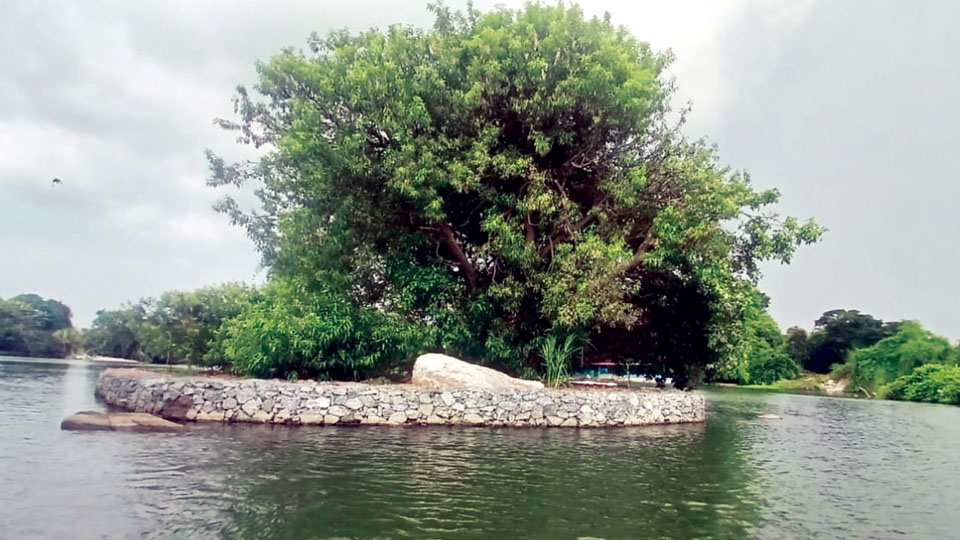
Work to help protect breeding grounds for migratory birds from recurring flood damage
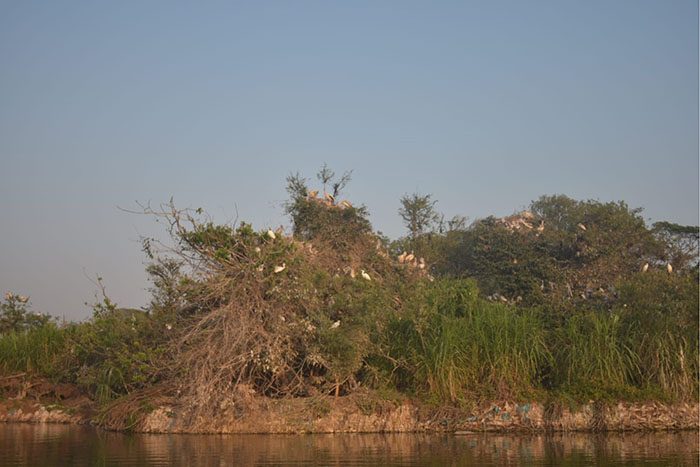
The National Highways Authority of India (NHAI) has taken up protective works at the Ranganathittu Bird Sanctuary in Srirangapatna taluk of Mandya district, reinforcing key mid-river islands with gabion structures to prevent recurring flood damage caused by the Cauvery River, especially when the water is released from the Krishna Raja Sagar (KRS) Dam.
Officials said, the initiative is expected to safeguard the fragile ecosystem and provide long-term protection to the sanctuary’s islands. During the monsoon, when the KRS Reservoir reaches capacity, authorities release between one lakh and two lakh cusecs of water into the Cauvery. The sudden surge raises the river level and often damages several islands in the sanctuary near Srirangapatna. The force of the water erodes embankments, weakens vegetation and exposes tree roots, posing a serious threat to the islands. Protecting them had become a major challenge for the Forest Department.
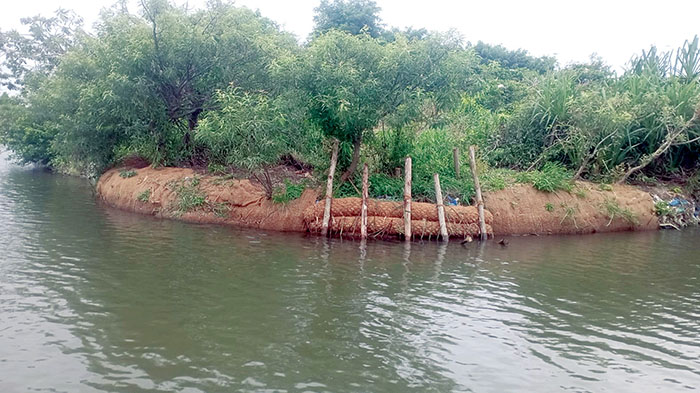
Temporary measures failed
Until now, the department relied on plastic sacks filled with sand, stacked along vulnerable stretches as temporary retaining walls to prevent erosion and support tree roots. However, these makeshift defences were repeatedly washed away whenever the river discharge increased.
The new Highway project from Srirangapatna to Kushalnagar passes through nearly 600 metres of the sanctuary’s Eco-Sensitive Zone. As part of mitigation measures to minimise environmental impact, the Forest Department directed
NHAI to create green buffers along the Highway, install awareness boards on conservation and improve water bodies wherever possible.
Since the sanctuary does not have lakes, officials decided to focus on strengthening the islands.
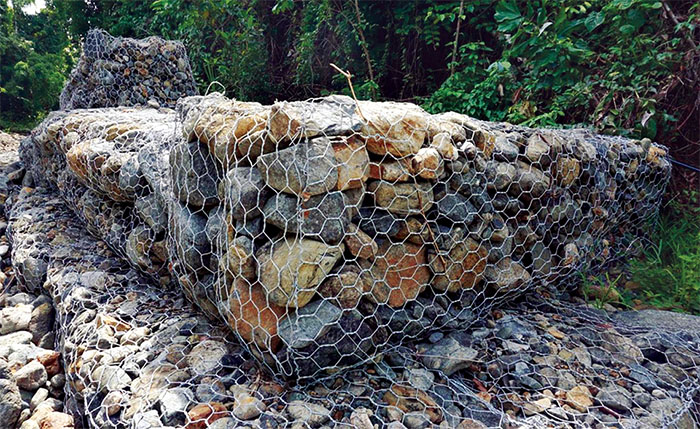
Gabion structures for long-term protection
NHAI is now reinforcing six islands using gabion structures, considered an environmentally safe method for erosion control. Gabions are wire-mesh cages filled with large stones and stacked together without cement.
The gaps between the stones allow silt carried by floodwaters to settle naturally, strengthening the structure over time. The estimated cost of the project is Rs. 1.50 crore, sources said.
The design also enables smooth drainage, allowing water entering the islands to flow back into the river without obstruction. The wire mesh holds the stones firmly in place, ensuring long-term stability.
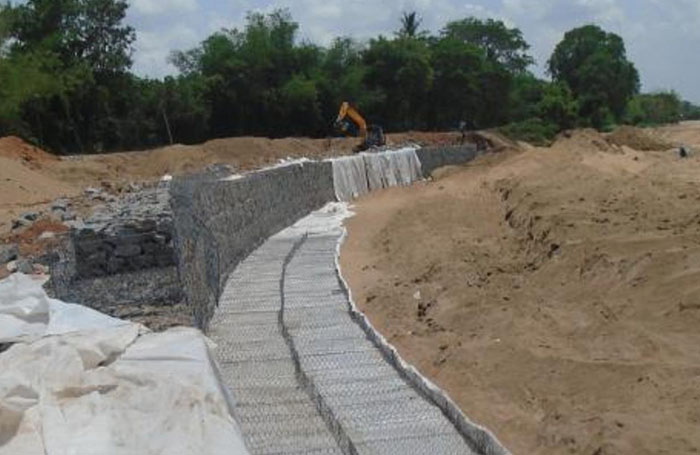
Safety measures during work
Ranganathittu is home to more than 200 crocodiles, with many inhabiting the islands where restoration works are underway. Officials said, strict safety measures have been put in place for workers engaged in the project.
Iron mesh barriers have been installed around work areas to prevent crocodiles from approaching labourers while the repairs are carried out.
Forest officials said, the project strikes a balance between infrastructure development and ecological conservation, helping protect the sanctuary’s biodiversity while making the islands more resilient against future floods.
22 mid-river islands
“Ranganathittu Bird Sanctuary has 22 mid-river islands that attract a wide variety of birds, including migratory species. The sanctuary is not merely a feeding ground. Birds come here mainly for breeding,” said Dr. I.B. Prabhugowda, Deputy Conservator of Forests (DCF), Mysuru Wildlife Division.
“Every year, when large quantities of water are released from the KRS Dam, some islands suffer damage. Soil erosion exposes tree roots and raises fears that parts of the islands could be washed away. With NHAI now reinforcing the islands using gabion structures, the situation has improved considerably. Work on five islands has already been completed and restoration of the sixth island is in progress. This offers a permanent solution,” he added.


Recent Comments