


Sir,
In recent years, residents of J.P. Nagar in Mysuru have been grappling with a growing and uncontrolled rise in the population of stray dogs. What once may have seemed like a minor nuisance has now escalated into a serious community problem affecting the safety, health and peace of mind of the residents.
Street dogs turn aggressive
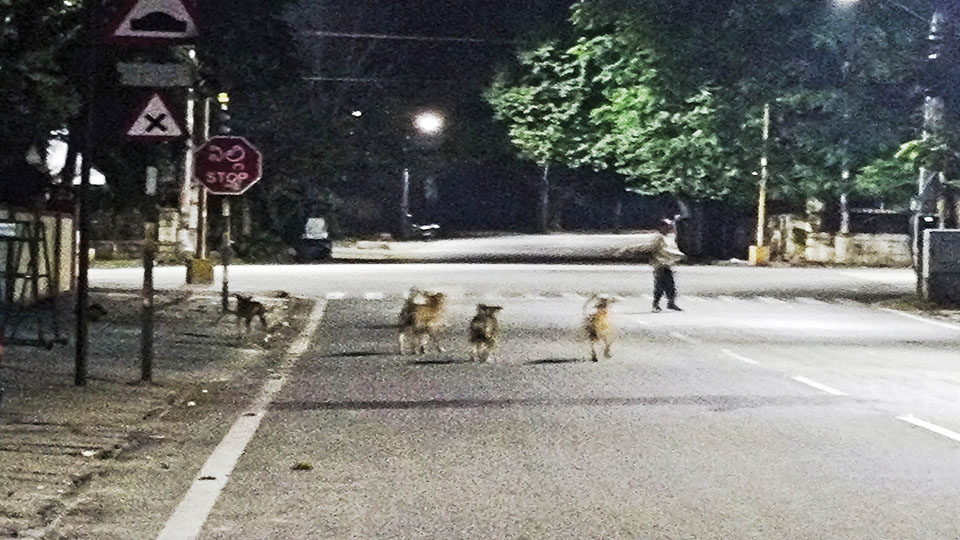
The streets of J.P. Nagar are now frequently patrolled by packs of stray dogs, some of which have become aggressive. Many residents report being chased by these dogs while riding two-wheelers or driving cars. Children, in particular, are afraid to step out and play freely in their own neighbourhoods. Parents now hesitate to allow their kids to walk to school or nearby parks unaccompanied.
Noise pollution
Another major concern is the persistent barking of dogs during night. Residents complain of disturbed sleep due to howling and fighting among the dogs, which often lasts late into the night. This persistent noise pollution has contributed to stress and fatigue among many, particularly the elderly.
Feeding by locals fuels growth
While compassion towards animals is commendable, the indiscriminate feeding of street dogs by some well-meaning residents is contributing to the problem. Regular feeding points attract more dogs, who begin to multiply in these areas due to the easy availability of food. Without proper sterilisation and medical care, the population grows unchecked, exacerbating the issue year after year.
Health and safety concerns
Beyond the fear of bites or attacks, the growing dog population also poses a public health risk. The absence of vaccination and medical monitoring can lead to the spread of rabies. The accumulation of dog faeces in public spaces further contributes to unhygienic conditions.
Need for a systematic approach
This situation demands the urgent attention of the Mysuru City Corporation and animal welfare authorities. Residents are calling for a comprehensive and humane solution:
1. Sterilisation and vaccination drives: A large-scale Animal Birth Control (ABC) programme must be implemented to control the growth of the stray dog population.
2. Dedicated shelter spaces: Authorities should explore the possibility of creating dedicated shelters or dog parks on the outskirts where strays can be housed, cared for and fed in a controlled environment.
3. Public awareness campaigns: Educating citizens on responsible animal care and the legalities around feeding stray dogs in residential areas can help manage the problem at the source.
4. Regular monitoring: Animal control units should conduct routine patrolling to identify and respond to aggressive or sick animals promptly.
The issue of stray dogs in J.P. Nagar, Mysuru, is no longer just a topic for drawing-room discussion — it is a growing urban concern that affects the quality of life for thousands of residents.
It is high time the authorities took structured and sensitive steps to address this menace before it escalates further.
– Dr. G. Rathnakar, Mysuru, 20.8.2025
You can also mail us your views, opinions, and stories to [email protected]


Recent Comments