


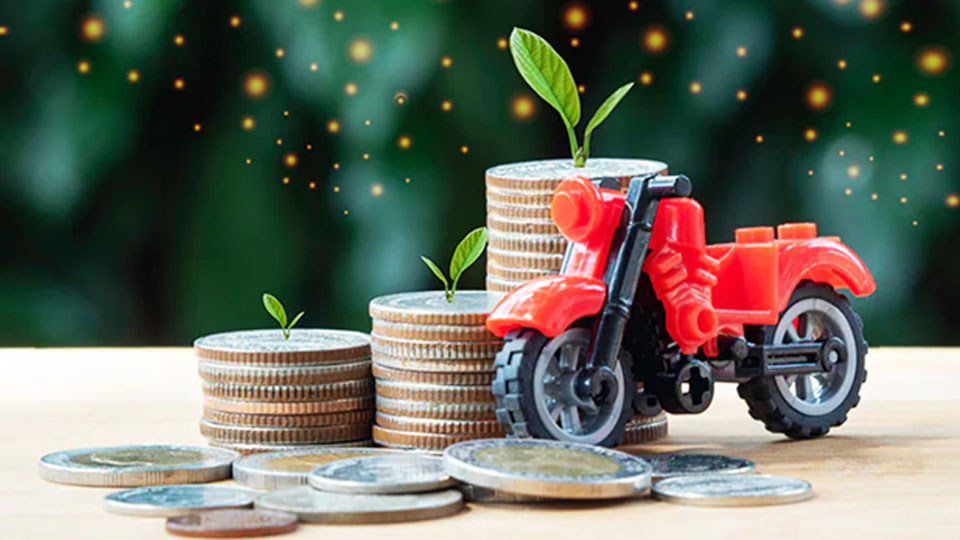
India’s rural economy is undergoing a quiet but powerful transformation, and at the heart of this shift lies an often overlooked vehicle—the two-wheeler. For many in villages and semi-urban regions, a scooter or motorcycle is more than just a mode of transport. It’s a livelihood enabler, a connection to healthcare, education, and employment, and a symbol of self-reliance.
Yet, for millions of Indians, affording a two-wheeler upfront can be challenging. That’s where two wheeler finance plays a vital role. By making vehicle ownership accessible through affordable instalments, rural borrowers are finding it easier than ever to invest in their independence—and, by extension, uplift their local economies.
Let us explore how Two Wheeler Loans are improving mobility and catalysing economic growth in rural India, along with how a favourable bike loan interest rate is making credit affordable for even the smallest earners.
The Mobility Challenge in Rural India
Rural India is vast and dispersed. From farmers transporting produce to markets, to students attending colleges in nearby towns, and women accessing health centres miles away—mobility is essential. Unfortunately, public transport is often unreliable or simply unavailable in many regions.
Owning a two-wheeler solves multiple problems:
- It reduces dependency on shared or infrequent transport.
- It increases reach to job sites, educational institutes, and health facilities.
- It enables small entrepreneurs, delivery agents, and traders to expand their work radius.
However, with most rural households operating on limited monthly budgets, purchasing a two-wheeler outright can feel out of reach.
How Two Wheeler Finance Bridges the Affordability Gap
Two wheeler finance addresses the affordability challenge head-on. By converting the upfront purchase price into manageable monthly EMIs, Two Wheeler Loans make bike ownership possible without financial strain.
Here’s how it works:
- Loans cover 80–100% of the vehicle’s on-road cost.
- Repayment tenures usually range between 12 and 48 months.
- Minimal documentation and flexible eligibility criteria are offered to suit informal incomes.
- Approval processes are often digitised or handled directly through village-level dealerships.
Thanks to this easy access to credit, two-wheelers are now within reach of agricultural workers, rural women, gig workers, and students—groups that traditionally struggled with mobility.
Boosting Incomes Through Better Connectivity
The economic impact of mobility cannot be overstated. A two-wheeler isn’t just a transport tool; it directly contributes to income generation and financial stability in rural households.
Let’s consider some examples:
- A farmer can transport perishable goods more quickly, reaching distant markets before prices drop.
- A construction worker or daily wage earner can accept jobs outside their immediate village.
- A woman running a home-based tailoring business can deliver orders and source fabric from suppliers in nearby towns.
With two wheeler finance making these opportunities more accessible, rural households are seeing real growth in both earnings and independence.
Women’s Mobility and Empowerment
One of the most powerful outcomes of rural bike financing is the increased independence it brings to women. Whether it’s for education, employment, or running a micro-business, mobility plays a crucial role in empowerment.
Today, more women in rural India are taking loans in their own names to buy scooters and gearless bikes. Thanks to lenders offering low documentation and lenient eligibility norms, even women without a traditional income trail can now secure a loan. A favourable bike loan interest rate ensures that repayments remain manageable without burdening the household’s finances.
This growing independence among rural women is helping bridge gender gaps in employment, education, and community participation.
Creating Employment in the Financing Ecosystem
Beyond enabling buyers, two wheeler finance is also creating jobs in rural India. Here’s how:
- Loan agents and recovery officers are hired locally, generating employment.
- Dealerships and servicing centres expand into semi-urban and rural areas.
- Partnerships between NBFCs and rural entrepreneurs enable community-level financial services.
This financial ecosystem keeps money circulating locally and contributes to the formalisation of credit access across underserved geographies.
The Importance of Affordable Bike Loan Interest Rates
For rural borrowers, affordability is key. Even a small difference in the bike loan interest rate can significantly affect their EMI and the total amount repaid.
Here’s what matters most to them:
- Transparent interest rates with no hidden charges.
- Simple repayment schedules aligned with income cycles (e.g. fortnightly or monthly).
- Low or zero prepayment penalties, allowing borrowers to repay faster if income improves.
Many lenders today, especially those focused on rural markets, offer custom pricing and flexible repayment terms. This has led to improved repayment behaviour and rising financial literacy in these areas.
Digital Inclusion and Paperless Processing
With smartphone penetration rising, rural India is gradually embracing digital finance. Lenders are capitalising on this by offering:
- App-based EMI tracking and payment reminders.
- WhatsApp-based document submissions.
- Online loan applications with vernacular support.
Such tech-forward solutions reduce friction, build trust, and encourage responsible borrowing, especially among younger rural consumers.
The Road Ahead: Continued Growth and Credit Inclusion
As India pushes for financial inclusion, two wheeler finance is set to play an even larger role in rural upliftment. Here’s what we can expect:
- Deeper reach through micro-branches and village-level agents.
- Tailored products for specific segments like farmers, women entrepreneurs, and gig workers.
- More collaboration between NBFCs, fintechs, and local partners.
- Use of alternative data (like mobile usage and utility bill payments) for better credit scoring.
In short, as access improves and awareness grows, the two-wheeler will continue to fuel rural progress—on two wheels and with one affordable loan at a time.
Final Thoughts
The power of mobility cannot be underestimated, especially in rural India where a two-wheeler can change lives. Thanks to accessible two wheeler finance options and manageable bike loan interest rate plans, more Indians are finding the freedom to travel, earn, and grow.
From farmers to female entrepreneurs, and from students to service providers, affordable Two Wheeler Loans are driving not just individuals—but entire communities—towards economic independence and progress.
Mobility, after all, is more than movement—it’s momentum. And for rural India, that momentum begins with a loan and a road ahead.


Recent Comments