


Water is one of our most essential resources, but with rising demand and uneven rainfall across regions, conserving and reusing water has become more important than ever. Among the many sustainable solutions available today, rain water harvesting stands out as one of the simplest yet most impactful ways to address water scarcity in both urban and rural settings.
Whether you live in a city apartment or manage a large industrial facility, adopting a rainwater harvesting system not only helps in reducing your water bills but also builds long-term water security for your home or business.
Let us explore what rain water harvesting really means, how it works, and most importantly, the long-term advantages it brings when implemented correctly.
What is Rain Water Harvesting?
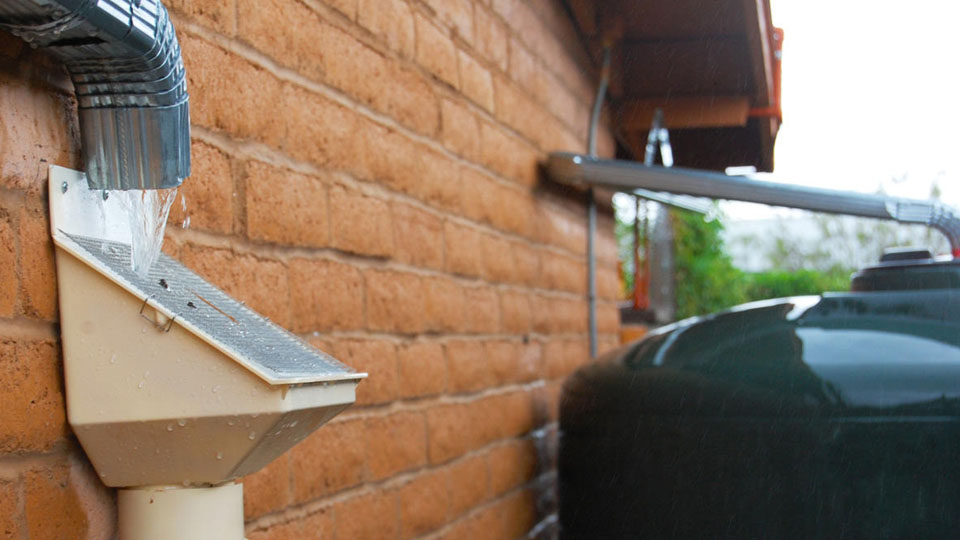
Rain water harvesting is the process of collecting and storing rainwater that falls on rooftops, terraces, or open land for future use. Instead of letting this valuable water run off into drains or be wasted, it is filtered, stored, and used for various non-potable or even potable purposes depending on the purification system used.
The technique is not new. In fact, it dates back thousands of years, with evidence of rain water harvesting systems found in ancient civilizations across India, China, and the Middle East. What makes it relevant today is its adaptability. Whether you are in a rural farmhouse or a metropolitan high-rise, the same core principle can be applied to save water efficiently.
How Does a Rain Water Harvesting System Work?
A typical rainwater harvesting system includes:
- A catchment surface such as a rooftop or courtyard
- Gutters and downpipes to channel the rainwater
- A filter to remove leaves, debris, and pollutants
- A storage tank or underground reservoir to collect and store clean water
- Optional treatment units if the water is intended for drinking
The water collected can be used for:
- Gardening and landscaping
- Washing vehicles
- Toilet flushing
- Laundry
- Even potable use, if treated properly
Advantages of Rainwater Harvesting
One of the main reasons more homeowners, housing societies, schools, and commercial buildings are turning to this method is because the advantages of rainwater harvesting are both practical and long-term. Let us look at some of the key benefits:
1. Reduces Water Bills
By using harvested rainwater for daily non-drinking needs like washing, gardening, or flushing, you reduce your dependence on municipal or borewell water. This can lead to significant cost savings, especially for larger households and institutions.
2. Improves Groundwater Recharge
When rainwater is redirected into recharge pits or borewells, it seeps back into the ground and helps raise the water table. This is especially useful in areas facing declining groundwater levels.
3. Controls Urban Flooding
In cities where heavy rainfall can lead to waterlogging and overflowed drains, storing rainwater helps reduce the burden on public drainage systems. It also prevents erosion and surface runoff damage.
4. Provides Backup During Water Cuts
Stored rainwater acts as a reliable emergency source when municipal supplies are disrupted, particularly during summer or drought-like conditions.
5. Reduces Water Tanker Dependency
For areas that rely on private water tankers, installing a rainwater harvesting system reduces external dependency and offers more control over water access.
6. Eco-Friendly and Low Maintenance
The system is not just sustainable, but also cost-effective to set up and maintain. Once installed, it typically runs with minimal intervention or operating cost.
Who Can Benefit from Rain Water Harvesting?
Rain water harvesting is not just limited to environmentally conscious individuals. It offers benefits to a wide range of users:
- Homeowners and Apartment Societies
Reduce monthly water bills and avoid tankers in summer months. - Schools and Colleges
Use stored rainwater for washrooms, gardens, and even science labs. - Factories and Warehouses
Cut costs by using harvested rainwater in cleaning or industrial cooling. - Farmers and Rural Homes
Create water reserves for irrigation and livestock. - Commercial Buildings
Enhance green building ratings and sustainability credentials.
In short, anyone with access to a rooftop or open catchment area can benefit from rainwater harvesting.
Setting Up a Rain Water Harvesting System: What to Keep in Mind
Before you install a system, it is important to plan based on your building size, roof area, rainfall patterns, and water needs.
Here are some useful steps:
- Measure your rooftop area and estimate the volume of rainwater you can collect. For example, 1000 square feet of rooftop can collect over 20,000 liters of water annually in regions with average rainfall.
- Install filters that remove debris, sand, and silt before the water is stored. First-flush systems are also useful to discard the first spell of rain, which may contain impurities.
- Choose the right type of storage. If space is limited, consider underground tanks. For larger areas, modular tanks can be added as needed.
- Ensure overflow safety so excess rainwater does not damage the system or nearby structures.
- Get periodic maintenance. Cleaning the tanks and filters every few months ensures the system functions well for years.
Many states in India have now made rainwater harvesting mandatory for large residential or commercial buildings, which makes it even more important to implement early.
Why Rain Water Harvesting is the Future
The growing water crisis across cities and villages in India is a serious concern. Depleting groundwater, irregular monsoon patterns, and increasing urbanisation have pushed water demand beyond sustainable limits.
Rain water harvesting provides a realistic, local, and scalable solution to this problem. It not only cuts water costs but also contributes directly to better water management and self-reliance.
As climate change continues to alter rainfall patterns, having a reliable system to store and reuse rainwater becomes more than a good idea. It becomes a necessity.
Conclusion
Rain water harvesting is not just a water-saving technique. It is a long-term investment in self-sufficiency and environmental responsibility. Whether you are looking to cut costs, reduce water waste, or simply do your part in conserving natural resources, harvesting rainwater is a smart and impactful step forward.
If you are considering rainwater harvesting for your home, society, or business, it is always better to rely on experts who understand both the technical and practical aspects of the system.
Utec by UltraTech offers trusted Rainwater Harvesting services that are tailored to your space and needs. Their team can guide you with the right setup, installation, and maintenance plans that make water conservation easy and effective.



Recent Comments