


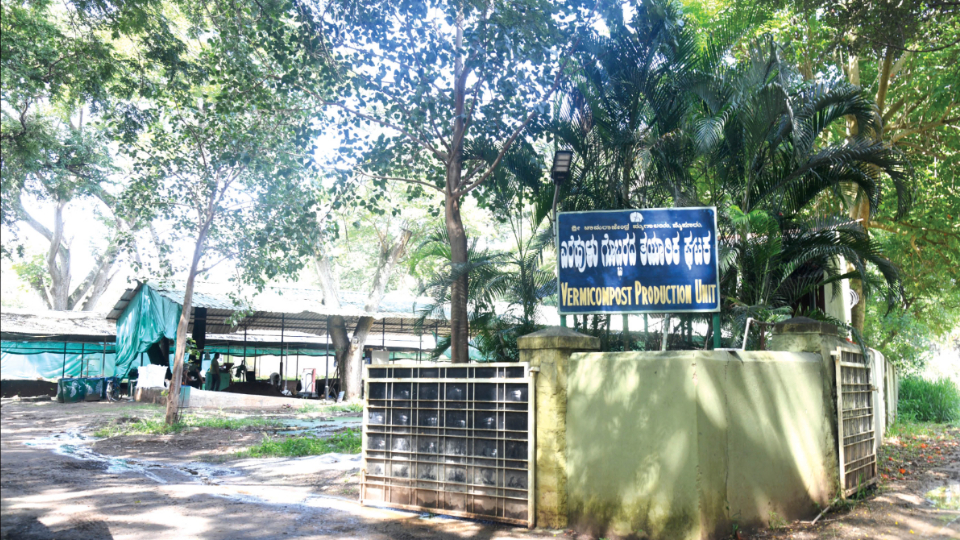
Mysuru, Oct. 24 – Sri Chamarajendra Zoological Gardens in Mysuru is quietly nurturing a farmer’s best friend — earthworm compost, affectionately dubbed “Raithana Mitra” (farmer’s friend).
Produced from animal waste generated within the Zoo, this organic fertiliser is witnessing steadily rising demand as farmers seek sustainable alternatives to chemical fertilisers that degrade soil fertility.
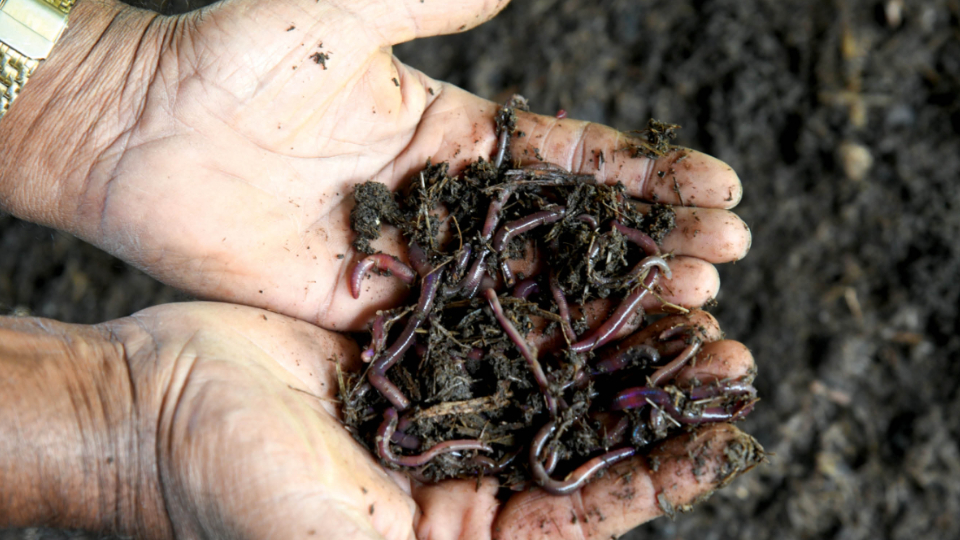
For several years, the Zoo has operated a vermicompost production unit on its premises. Nearly two tonnes of animal waste — primarily from elephants, rhinos, hippos, and bison — are collected daily and processed over a 40-day cycle.
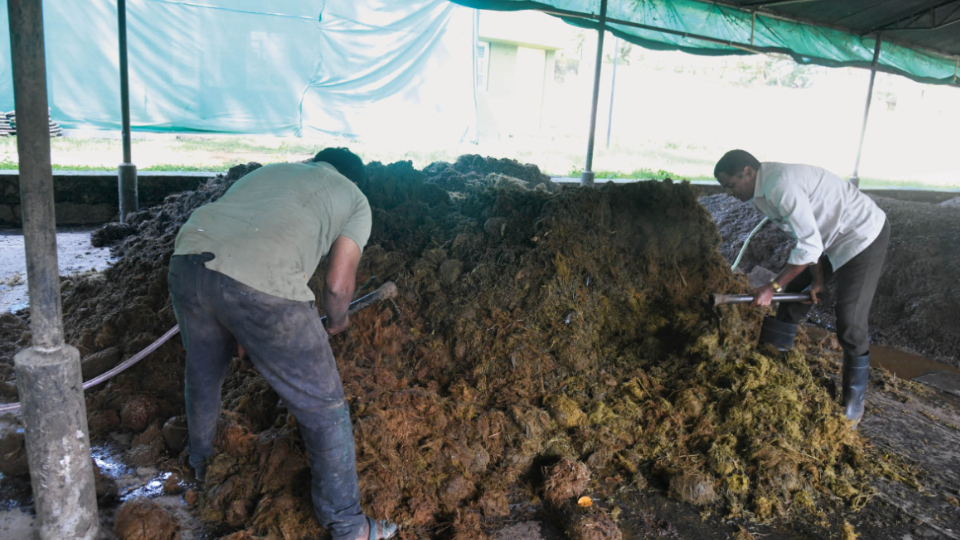
The waste is first cleaned of debris, soaked for two days to reduce heat and then seeded with earthworms. Over the next 38 days, the mixture is carefully watered as needed, dried for a week and manually separated into compost and worms. The final product is sold by weight at Rs. 15 per kilogram.
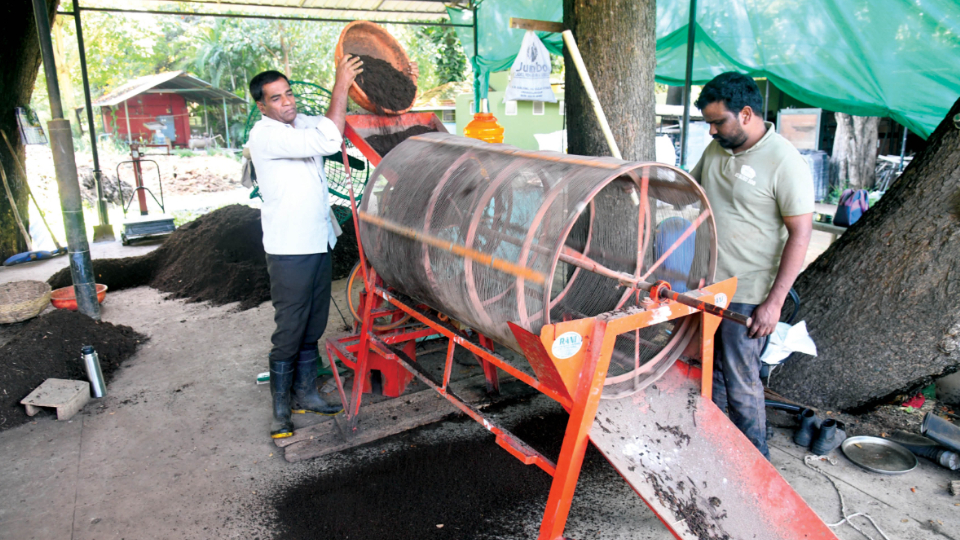
Zoo staff members Siddaraju, R. Srinivas, and Bharath oversee the entire process from 8 am to 6 pm daily, ensuring the health and protection of the worms while managing compost production.
Proven benefits for farmers
Once applied to farmland, the compost can double crop yields over three years, compared to a baseline increase of 10 percent. The compost is de-watered before sale, making it lighter and easier to transport.
It is particularly beneficial for crops like coffee, ginger, banana and coconut, creating high demand among farmers in Kodagu and other regions.
Earthworms are sourced from Shivamogga and bred on-site. Their reproduction enhances compost fertility, but protecting them from predators, such as rats and centipedes, remains a challenge. To safeguard the worms, staff have installed nets and bone powder barriers around the unit.
Rising demand, steady revenue
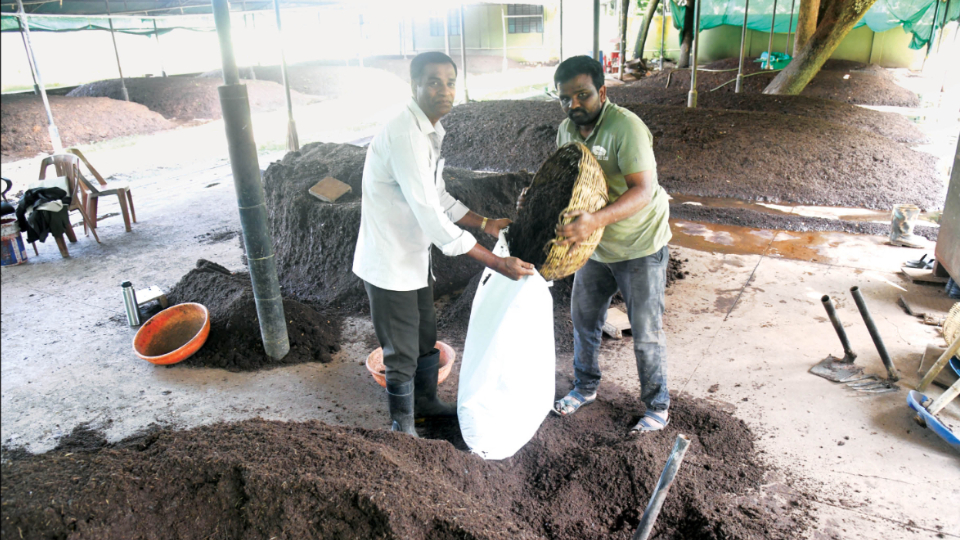
According to Zoo PRO Nishchal, demand for vermicompost has grown year after year, with buyers coming from across the State.
Between April 2024 and March 2025, the Zoo sold 98,085 kg of compost, generating Rs. 14,71,275 in revenue. While not a primary source of income for the Zoo, the initiative supports farmers and ensures responsible use of animal waste.
Zoo Executive Director P. Anusha emphasised that the vermicompost unit reflects the Zoo’s commitment to sustainability and community welfare.
“Earthworm-based organic compost offers greater benefits than chemical fertilisers. In this spirit, vermicompost is produced both for farmers and for plants cultivated within the Zoo premises. Year after year, demand continues to grow and the production is being scaled up with equal care and diligence,” she said.



Recent Comments