


By Dr. R. Balasubramaniam
A jetlagged pilgrimage through aisles of nostalgia
Jetlag is a strange thing. You arrive in the US, pumped full of optimism and airplane peanuts, only to wake up at 3 am questioning your place in the universe and whether sleep is a myth designed to sell mattresses.
It was during one such groggy morning that my cousin’s mom announced: “We’re going to the Indian store today. Get ready.”
At that point, I would have agreed to anything. I was just grateful to be included in a human activity. Little did I know, I was not being invited. I was being drafted. Because this was not just a grocery run. This was a full-scale, strategic operation. A cultural expedition wrapped in plastic bags and masala fumes. A weekly ritual for many NRIs. And for me, one after a long time.
We loaded into their mini-van like it was a mission to Mars. Everyone had a role. My cousin was the driver. Her mom held the grocery list. It looked less like a shopping list and more like a partially decoded ancient scroll. The list had arrows and symbols. There were annotations that were vague. These included “Frozen okra — not soggy this time” and “Dal (yellow — but not the mushy kind).” I just sat quietly, clutching my coffee, trying to stay upright.
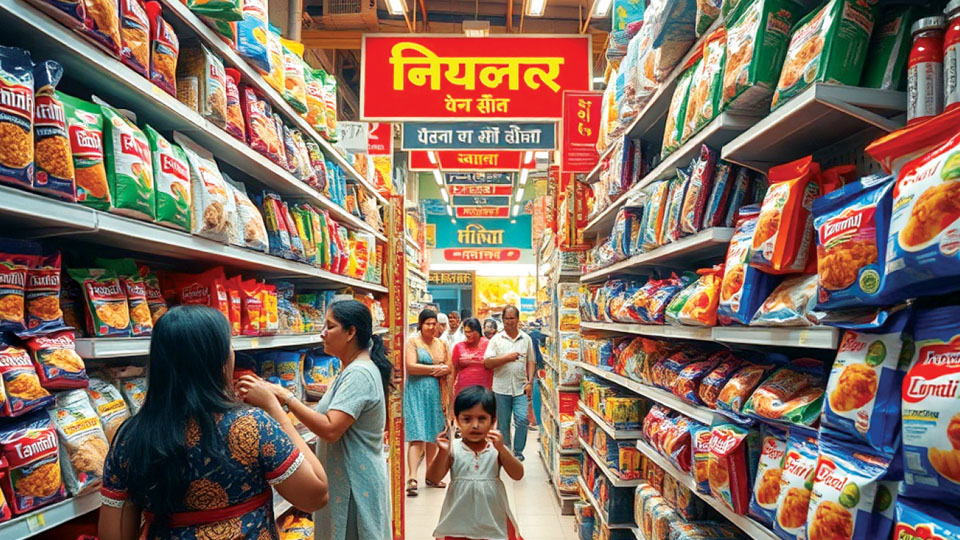
The store was in a strip mall in Little India. It is one of those magical enclaves in American suburbs. Suddenly, everything switches to Hindi signage. The air smells like cumin, car horns, and samosas in equal measure. Even before we entered the store, I knew we were close. A man was arguing passionately with a cashier about the price of methi leaves in Hindi. Meanwhile, three aunties were debating mango brands like wine connoisseurs. It was comforting. And mildly terrifying.
Walking into the store was like stepping into a time capsule powered by turmeric. The scent hit me instantly — a heady mix of curry leaves, asafoetida and nostalgia. My senses were overwhelmed. My soul? Thriving.
The aisles were narrow and packed tighter than Bengaluru traffic. Kids ran around like they had just had six mango lassis each. Grandmothers blocked the aisles, comparing aata brands with the seriousness of brain surgeons. And then there were the uncles. Indian uncles in US grocery stores are a special breed. Mine immediately disappeared into the produce section, inspecting methi bunches like they were diamonds.
My cousin and I took charge of the cart, which was empty for all of three minutes. Then began the glorious chaos. We tossed in bags of rice large enough to be used as furniture. A cascade of dal packets followed — masoor, toor and chana. There were also some wildcards. I am convinced no one actually cooks them, but everyone buys them “just in case.”
Frozen snacks came next. I blanked out for a moment and came to holding a box of samosas and three varieties of paratha I did not even know existed. Somewhere along the way, we picked up three tubs of ghee. We also acquired a bottle of rose syrup, which was big enough to bathe in.
Then came the snack aisle. If the rest of the store was about utility, this was pure indulgence — biscuits, creams, chaklis, banana chips and dry fruit halwa. I swear a tear rolled down my cheek when I spotted a packet of toffees. You don’t come to America expecting to find your childhood in a plastic wrapper. But there it was, staring at me with chocolatey, judgemental eyes.
Meanwhile, my cousin’s mom was conducting full-scale negotiations with a fellow shopper about whether a particular brand of tea was truly “kadak.” They didn’t know each other, but in Indian grocery stores, strangers bond over chai reviews like old friends.
The freezer aisle was its own tundra-themed adventure. I cracked open a frosted glass door and was immediately blasted with cold air and childhood memories. Frozen bhindi, jackfruit, pav bhaji mix and kulfis of every questionable flavour. I tried to grab a packet of paneer tikka but ended up nearly frostbitten. My cousin screamed across the aisle, “Get the hara bhara kebabs too!” and I obeyed like I was taking orders in a war zone.
Finally, we reached the checkout. And that is when the true cost of sentimentality hit. The bill crept up like a slow-burning plot twist. Every beep of the scanner chipped away at my travel budget. $7.99 for a pack of snack? $12.99 for mango pulp? We were one aisle away from having to mortgage a kidney.
But none of it mattered. Because this was not just shopping — it was time travel, therapy and cultural preservation all in one. You don’t argue with a ritual that makes you feel like home is not so far away.
Back home, we unloaded enough groceries to feed a cricket team and a wedding party. My cousin’s mom brewed fresh chai with the elaichi we had bought. We all sat around sipping from mismatched mugs. We were surrounded by bags of dal and frozen snacks. It felt like we were victorious hunters admiring their spoils.
That night, I lay in bed, my suitcase now heavier with spices and half a dozen packs of instant noodles I don’t remember buying to ensure that the rest of my trip was well stocked for. My clothes would smell like masala for weeks. My soul, though? It had never felt more fed.
So yes, I visited an Indian grocery store in the US. And no, it was not just about groceries. It was about community, chaos, comfort — and the inexplicable urge to buy way more poha than anyone realistically needs.
And I cannot wait to do it again.
Final thoughts
A visit to the Indian grocery store in the US is not just about food. It is about feeling rooted, even when you are thousands of miles away. It is a cultural survival kit stuffed into a reusable Patel Brothers bag. Will I do it again on my next visit? Absolutely. But next time, I am bringing a suitcase just for the snacks. And maybe… a forklift.
[Dr. R. Balasubramaniam is the Founder of Swami Vivekananda Youth Movement. ‘The Lighter Side’ is a series of satirical articles meant to bring a smile by highlighting the funny side of everyday life.]


Recent Comments