


By Arun Kumar Raj Urs
Rapid urbanisation is steadily transforming the landscape of the heritage city of Mysuru, with its vital lung spaces shrinking at an alarming pace.
The need to conserve natural heritage, the flora and fauna that play a crucial ecological role in sustaining a city like Mysuru, has never been more urgent. One such ecologically significant zone is the tropical deciduous scrub forest of Chamundi Hill and its surrounding areas, which provides an ideal habitat for mammals, birds and butterflies to thrive.
A glimpse into the past
Historical accounts indicate that as late as the 1890s, the forests around Chamundi Hill supported wildlife such as tigers, leopards, hyenas and several smaller mammals.
Family history also offers insight into the region’s once-rich fauna. Military Bakshi Arepur Basappaji Urs, brother-in-law of His Highness Chamarajendra Wadiyar X, was called by residents of Sakkali village at the foot of Chamundi Hill to eliminate a tiger that had become a threat.
After successfully hunting the animal, he came to be known as “Huli Bakshi.” This episode provides a glimpse of the wildlife presence in the region nearly 130 years ago.
Chamundi Hill forests were once connected to what is now the Bandipur Tiger Reserve, forming part of a vast wildlife territory about 150 years ago. Gradual urban expansion, however, has severed this ecological corridor over time.
Pillars of biodiversity
Birds and butterflies form a vital component of the biodiversity around Chamundi Hill.
Butterfly species on record
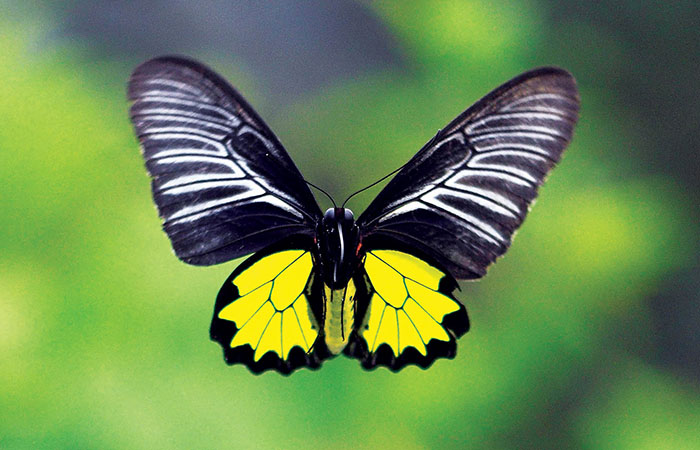
Papilionidae: Sahyadri Birdwing, Red Helen, Northern Lime Swallowtail, Narrow-banded Blue Bottle and Crimson Rose.
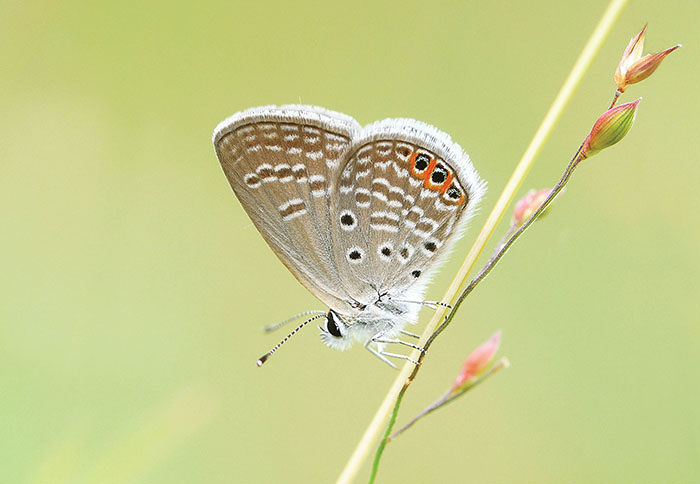
Lycaenidae: Indigo Flash, Indian Sunbeam, Common Shot Silverline and Plumbeous Silverline.
Nymphalidae: Indian Jezebel, Great Orange Tip, Dark Wanderer, Peacock Pansy, Yellow Pansy and Dark Blue Tiger.
Hesperiidae: Common Red Eye, Small Branded Swift, Marbled Skipper, Obscure Branded Swift, Water Snow Flat and Variable Palm Dart.
Riodinidae: Suffused Double-banded Judy.
Birds
Based on observations conducted over more than two decades, over 120 species of birds have been recorded in a calendar year, of which around 90 species are resident to the Hill and adjoining landscapes. A significant number of migratory species also visit the region.
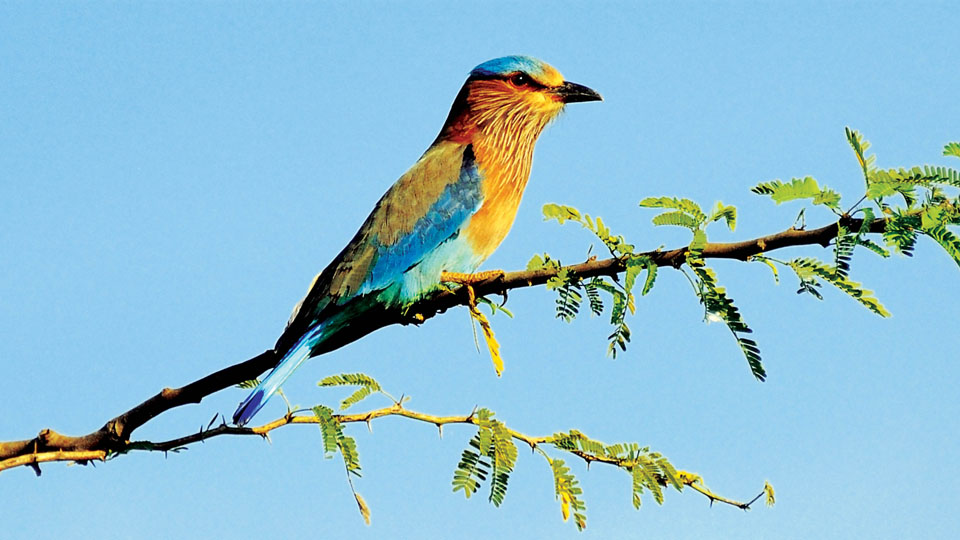
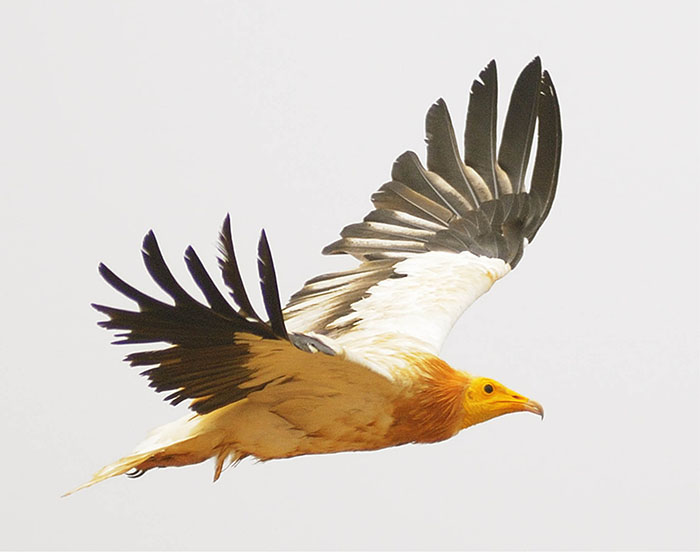
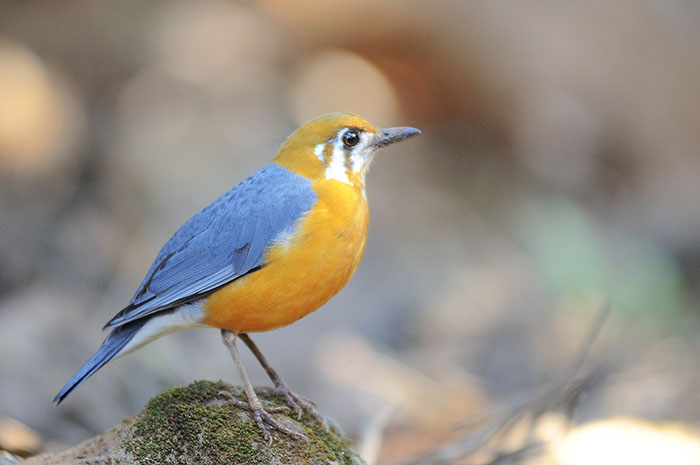
Notable sightings include the Black Eagle, Great Horned Owl, Spotted Owl, Greater and Lesser Flameback Woodpeckers, Fantail Flycatcher, Paradise Flycatcher, Orange-headed Ground Thrush, Shikra, Grey Hornbill, Coppersmith and White-cheeked Barbets, Sunbirds, Magpie Robin, Indian Robin, and the Small Green Bee-eater, among others.

Butterflies
Butterflies play a crucial ecological role as pollinators, alongside bees and other insects, helping sustain biodiversity and plant life. Without pollination, ecosystems would eventually collapse.
The Chamundi Hill region supports around 190 species of butterflies. Among the notable discoveries is the Scarce Shot Silverline, recorded in South India for the first time about 12 years ago.
During May and June, shortly after the first seasonal rains, the Hill witness the spectacular migration of butterflies, including Blue Tigers, Common Crows and Emigrants, travelling in millions across distances of nearly 1,400 km to escape the harsh monsoon conditions of the Western Ghats.
In October and November, the second or third generation undertakes the reverse migration back toward the Ghats as the rains recede. During this period, Chamundi Hill and adjoining scrublands serve as crucial roosting shelters until conditions become favourable for their return.
Chamundi Hill remains one of Mysuru’s most valuable natural refuges, supporting diverse wildlife even as urban pressures intensify. Protecting this fragile ecosystem is essential, not only for biodiversity but also for maintaining ecological balance and environmental health.


Recent Comments