


By R. Chandra Prakash
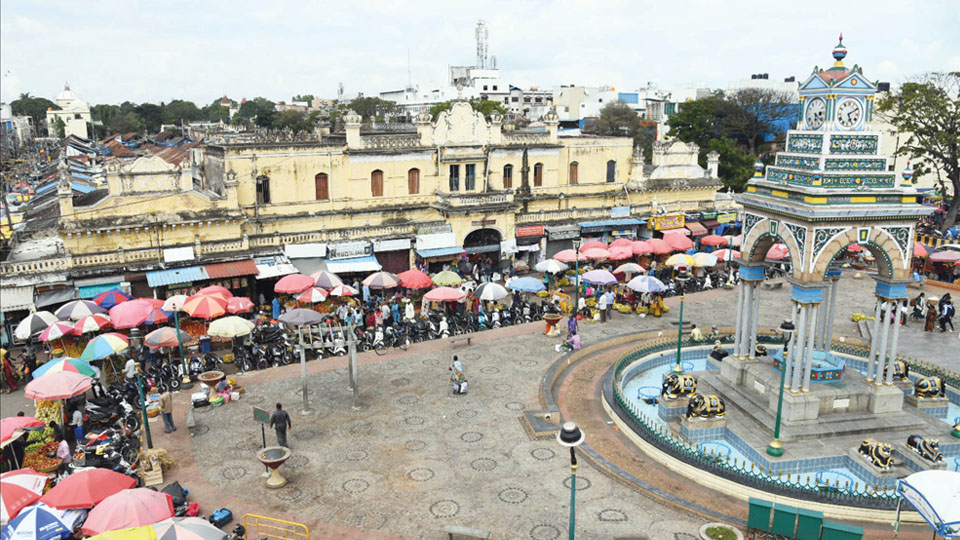
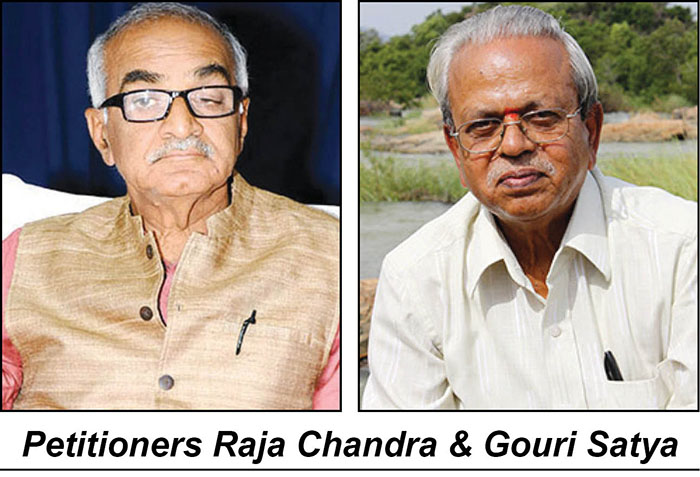
The Supreme Court’s observations during the hearing of a PIL by R. Raja Chandra and Gouri Satya are a very severe indictment of the Government’s rigid and unscientific approach towards preservation of Mysuru’s century-old two heritage buildings — the Devaraja Market and the Lansdowne Building. It is to be recollected here that a PIL on this issue was dismissed at the High Court level.
Thanks to the perseverance of the petitioners who carried their untiring legal struggle to the Supreme Court to protect these two heritage buildings, a hope is kindled for protecting the city’s heritage.
Mysuru’s vanishing heritage
Over a period of a few decades, many heritage value assets were lost in the name of ‘development’. Pathetic condition of once the city’s Central Business District, the magical Makkaji Chowk, probably the source of inspiration for legendary novelist R.K. Narayan’s Malgudi, stands today as a testimony to this vandalism.
The historical Town Hall has been ruined by an incomplete and irrelevant parking facility. The majestic Lalitha Mahal is on the verge of collapse. The list could be very long.
Bring down the structures!
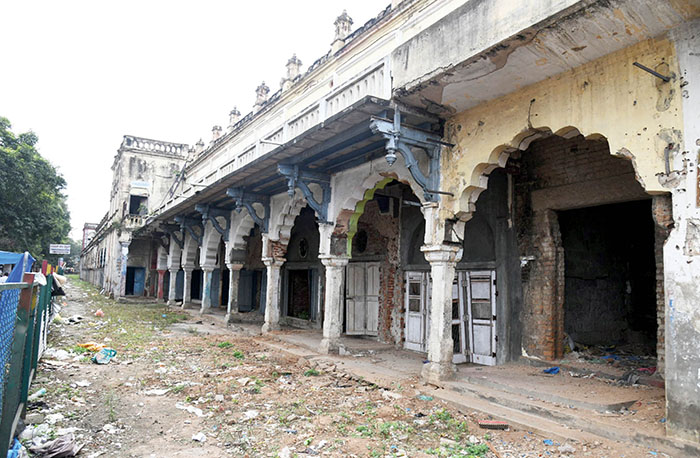
The submission before the Supreme Court by the respondents or the PIL was clear and emphatic — “that the State has taken a conscious decision to bring down the structures and rebuild them with the same facade and heritage look. Since the structures are within the State of Karnataka, the Government would have the primacy and discretion in these types of matters.”
It is worth noting that the petitioners mustered the services of six eminent advocates, and on the other hand, the respondents had a battery of about 25 highly competent and prominent legal luminaries defending their stand. That these two heritage buildings could be saved is nothing less than a miracle.
The saviour
The final judgement of the Supreme Court is yet to come, but its following observation, rather direction, is conclusive enough:
“In view of the report of the Committee, we are of the view that both structures should be protected and necessary renovations and restoration work should be undertaken. For this, a comprehensive plan needs to be prepared.”
The Supreme Court has based its observations on the Reports of two credible organisations in the field. First, from the Indian National Trust for Art and Cultural Heritage (INTACH) and then by the IIT Roorkee.
Regarding Devaraja Market, INTACH stated thus: “Devaraja Market has immense cultural, historic and architectural values. It is for these values that the same is designated as a heritage structure in ‘Group A’ zone in the Master Plan 2031, signifying its immense importance and placing it under the same stringent development controls as the Amba Vilas Palace, also known as the Mysore Palace. These values justify the need to restore the heritage building.”
Regarding the Lansdowne Building, INTACH had this to say: “Similar to the Devaraja Market, the Lansdowne Building, too, has immense cultural, historic and architectural values. It is for these values that the same is designated as a heritage structure in ‘Group E and A’ zones in the Master Plan 2031, signifying its immense importance and placing it under the same stringent development controls as the Mysore Palace. These values justify the need to restore the heritage building.”
IIT Roorkee report
The IIT Roorkee’s Comprehensive Assessment Report on both Devaraja Market and the Lansdowne Building not only agreed with the major findings of INTACH but also provided its own detailed findings.
Its severe commentary on the ham-handed approach regarding maintenance of these heritage buildings in the past and a warning for the future is worth quoting:
“This may also be brought to the record that had a proper maintenance and upkeep of the buildings been undertaken in the past, the buildings would not have deteriorated to the extent observed at the site. It was both disappointing and surprising to see that many insensitive and non-engineered alterations and additions have been allowed in the past in these structures. Once restored and conserved, these buildings should be maintained properly and accountability should be fixed towards that end. If these suggestions are not expected to be followed, then the buildings will face the same fate after a few years and would defeat the very purpose of restoring or conserving them.”
At present, our heritage has been confined, more or less, to the Mysore Palace, Devaraja Market and the Lansdowne building. The deterioration of the Mysore Palace has been in the news.
Therefore, the Supreme Court’s intervention preventing the demolition of Devaraja Market and Lansdowne building is a watershed moment in the heritage history of Mysuru.
[R. Chandra Prakash, a retired Professor, is a frequent contributor of feature articles and opinion pieces to Star of Mysore, often focusing on Civic Issues, Urban Planning and Heritage.]
Recent Comments