



By Gouri Satya, Sr. Journalist
The history of wrestling in Mysuru is fascinating, and legendary wrestlers have left an indelible mark on the city’s cultural fabric.
Their engrossing stories reflect the deep connection between the art of wrestling and the royal patronage during the reign of the Wadiyars. The name ‘Garadi’ itself, which is associated with wrestling houses, evokes a sense of reverence and nostalgia when wrestling was not only a sport but also an esteemed art form.
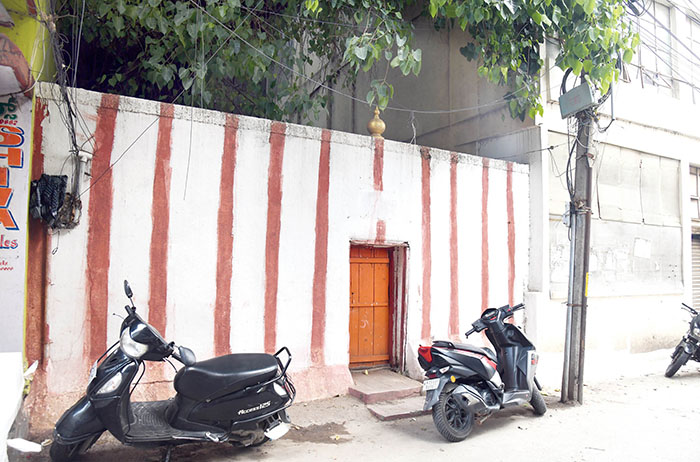
While walking around the old Mohallas, we come across lanes named ‘Garadi Raste.’ These streets continue to bear witness to the legacy of these titans who trained, often under the tutelage of respected Gurus, intensely and helped shape wrestlers into formidable forces in the ring.
On these roads were once famous wrestling houses. A tiny locality outside the city then continues to bear the name of the famous wrestler, Kannegowda, and the ‘Kannegowdana Koppal’ is a part of the city now.
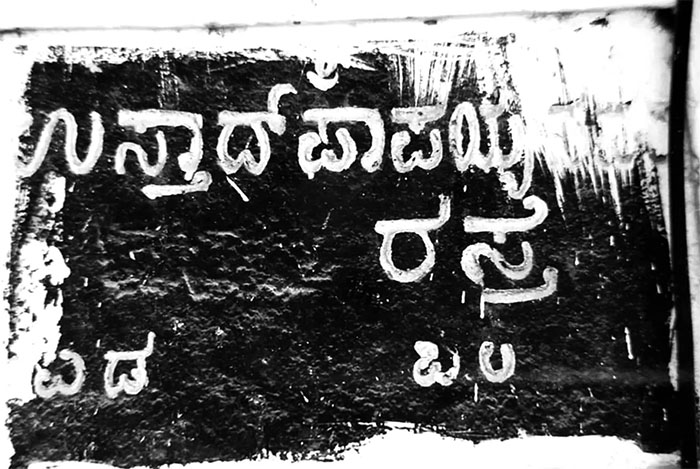
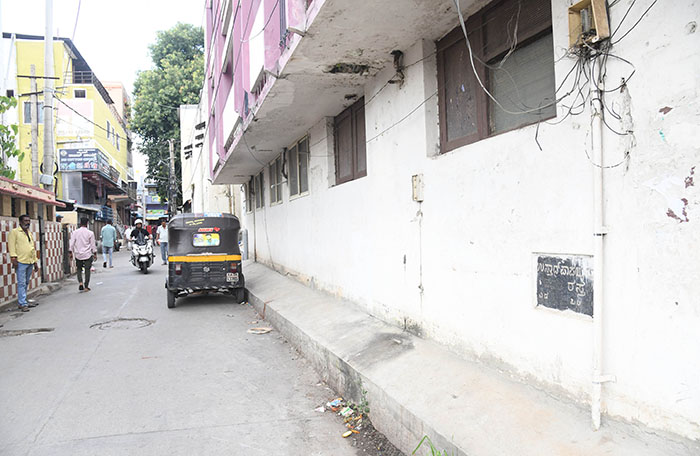
One of the few streets named after Mysuru’s renowned wrestlers is the ‘Ustad Papaiahnavara Raste,’ where a legendary Pailwan lived.
‘Kusti Kanteerava’ Papaiah had no parallel as he had defeated many master pailwans of the day. The only other parallel to him, perhaps, was Dodda Thimmaiah.
A favourite of Ustad ‘Kattige’ Shivanna, his master, Dodda Thimmaiah had earned the prefix of honour, ‘Bhujabala Bheema.’
Papapiah was no less famous. He was trained by Hazarat Faqir Ahmed Sab, another popular wrestling Guru. Both were giants in the art of wrestling.
Unmatched physical prowess
The King, Nalwadi Krishnaraja Wadiyar, was a great patron of wrestling, like his predecessor, Mummadi Krishnaraja Wadiyar. A duel between Dodda Thimmaiah and Papaiah at the Jaganmohan Palace, arranged by Nalwadi somewhere between 1908-10, stands out as a monumental moment in the city’s wrestling history.
It lasted for three days, and their fight seemed to see no end. Finally, on the third day, Papaiah gained the upper hand to secure encomiums from none other than his favourite King. ‘Karnataka Kusti Kanteerava,’ the coveted title he won added to his legendary status and he remained an unchallenged wrestler for long.
The honour also symbolised the high esteem with which these wrestlers were held in Mysuru and across India.
The clash between these two giants and the ultimate victory of Papaiah was the talk of the town. It remained etched in the memory of one and all for long. The champion wrestler had won the people’s admiration and was hailed, ‘ಆಕಾಶಕ್ಕೆ ಏಣಿ ಇಲ್ಲ; ಪಾಪಯ್ಯನವರಿಗೆ ಜೊತೆ ಇಲ್ಲ.’ (There is no ladder to the sky, and there is no one matching Papaiah).
The tutelage of his master, Faqir Ahmed Sab, had made him reach the pinnacle in the ring.
In those royal days, the close association between the wrestlers and the royal family was part of a larger effort to elevate the status of the sport and its practitioners.
Ancient art of combat
Wrestlers came to Mysuru to exhibit their strength in the art of wrestling before the Maharaja. The royals, on their part, supported those engaged in this ancient art of combat, helped them build wrestling houses and offered them jobs to be their guards.
The presence of Garadis, such as Faqir Ahmed Sab Garadi, Mayanna’s Garadi, Ustad Srinivas Garadi, Srinivasanna’s Bandikeri Gardi, Ranganayaka’s Garadi and Police Linganna’s Garadi, was the epicentre of training and competition for the best wrestlers in the region.
Wrestlers like Koppal Basavaiah, Chikkaiah, Amiruddin Quereshi and Dodda Thimmaiah were among the famous. During the Dasara, wrestling bouts were organised before the Maharaja at the Palace. On the Ayudha Puja day, ‘Vajramushti Kalaga’ was a special feature. Wrestlers exhibited their combat skills with knuckles on their fingers.
Humble request for a Nagari drum
Ustad Papaiah was among those master wrestlers Nalwadi took along with him to Delhi in 1931 for the Delhi Durbar. The invincible wrestler won a gold medal in the contest organised before King George V. It further solidified his fame.
Asked to seek whatever he pleased, land or money, when he returned, Pailwan Papaiah requested the Maharaja to grant him a Nagari (drum) to draw attention to his training sessions.
His request was a testament to his modesty and dedication. It became a symbol of his hard work and discipline. Lauding him, people bestowed him one more platitude: ‘ಹೊಡಿ ನಗಾರಿ ಮೇಲೆ ಕೈಯ; ತಟ್ಟು ತೊಡೆಯ ಮೇಲೆ ಕೈಯ.’ (Beat the drum with your hand; slap your thigh with your hand). The Nagari, the gift from the Maharaja, was preserved in his master’s Garadi for a long time.
Gruelling routines, diet
Pailwan Papaiah was born in 1870 in a wealthy Arya Ediga Gowda family in Mysuru and began practising when he was in his prime, young age of 16. He was encouraged by his first Guru and maternal uncle, Ustad Mallappa and his close friend Veeranna, who sold butter in his Halladakeri shop. Ustad Faqir Ahmed Sab trained him to acquire unparalleled expertise in the art of wrestling.
The physicality and strength of wrestlers like Papaiah, who could carry multiple people up the Chamundi Hill, were a testament to the gruelling training methods that they followed. They would consume large quantities of nourishing foods like butter, ghee and nuts to build their strength, and their rigorous daily routines included practice in the Garadis and under the sun, honing their skills to perfection. Learning new locks, they beat their rivals and spread the fame of Mysuru and their ruling king.
Today, the memory of Pailwan Papaiah lives on a street in Mysuru. The street near Gandhi Square where he lived bears his name as a fitting tribute to a man who was not only a champion wrestler but also a symbol of strength, discipline and humility.

Recent Comments