


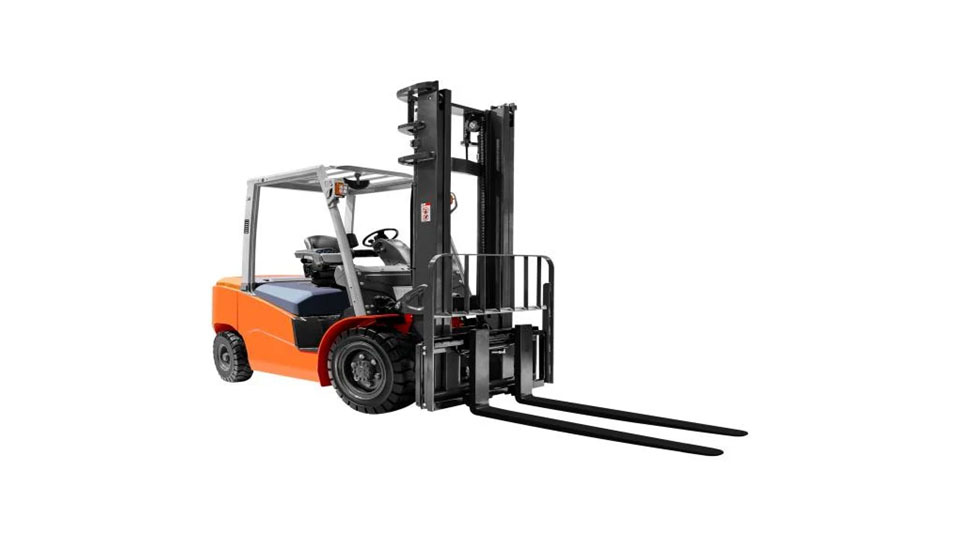
Choosing between electric forklifts and diesel forklifts isn’t just about picking a machine, it’s about optimising efficiency, reducing long-term costs, and making a strategic investment for your business. Forklifts are the backbone of warehouses, factories, and supply chain operations, so the right choice can impact everything from productivity to environmental compliance.
Diesel forklifts have been the standard for decades for heavy-duty applications. However, with sustainability goals, increasing fuel prices, and the movement toward cleaner, more cost-effective technology, electric forklifts are soon to be the best choice of the future.
So, what’s the better pick? The answer depends on what your business needs today and where it’s headed in the future. Let’s break it down in this blog.
Performance and Power
Diesel forklifts are very powerful. They’re meant for heavy lifting, outdoor use, and rough terrain. If your operations involve construction sites, lumber yards, or shipyards, you’ve probably relied on diesel forklifts for years.
But don’t count out modern electric forklifts. With advances in battery and torque delivery technology, today’s lithium-ion-powered forklifts provide rapid acceleration, precise maneuverability, and high lifting capacity, all without noise and emissions.
Godrej’s Li-Ion forklifts, for example, deliver instant torque, making them perfect for warehouse environments where precision and speed matter. While diesel models still dominate ultra-heavy-duty applications, electric forklifts have caught up in power and agility for most warehouse and logistics needs.
Cost Considerations – Fuel vs Electricity
Diesel forklifts rely on diesel fuel, which means regular refuelling and fluctuating fuel prices. And with diesel prices rising every year, the operating costs can quickly stack up, especially if you run a large fleet.
Electric forklifts, on the other hand, use rechargeable batteries. Yes, lithium-ion batteries have a higher upfront cost, but they also come with lower lifetime expenses. No fuel, fewer maintenance requirements, and the ability to charge during short breaks; all of which reduce downtime and operational costs.
For businesses running multiple shifts, diesel refuelling can be an expensive, ongoing cost. But with an electric fleet, your only recurring expense is electricity, which is far cheaper and more predictable than diesel.
Which One Saves You More in the Long Run?
Maintenance is the largest hidden expense of forklift ownership. Diesel forklifts possess sophisticated engines, transmissions, and exhaust systems, which translate into more moving parts to maintain, repair, and replace over the years. Oil changes, fuel filters, engine parts, it all adds up.
Electric forklifts are less complex equipment. They lack exhaust systems and combustion engines, leading to fewer breakdowns and lower maintenance bills. Newer lithium-ion battery forklifts also boast state-of-the-art battery management systems (BMS) that provide longer life for the batteries with reduced maintenance.
Research indicates that businesses converting to electric forklifts save as much as 50% on maintenance expenses over diesel. If reduced downtime and fewer service calls are a good thing, electric forklifts are the solution.
Environmental Impact Meeting Sustainability Goals
In today’s business world, sustainability is a requirement. Many companies are working toward carbon-neutral goals, and electric forklifts fit perfectly into that strategy.
Diesel forklifts release CO₂ emissions, soot, and noise pollution. This is not ideal if your business is looking to cut its environmental impact. Electric forklifts, on the other hand, produce zero emissions, which means cleaner air, quieter operations, and compliance with tightening environmental regulations.
Governments and industry bodies worldwide are incentivising businesses to move toward greener operations. If your company plans to reduce its carbon footprint, investing in electric forklifts is a practical step toward sustainability.
Workplace Safety and Comfort
Forklift operations aren’t just about efficiency, they’re about people. Workplace safety plays a huge role in choosing between diesel and electric forklifts.
Diesel forklifts generate exhaust fumes and loud noise, which can negatively impact air quality and employee health, especially in enclosed spaces like warehouses. That’s why indoor facilities often have to invest in expensive ventilation systems to offset the effects of diesel emissions.
Electric forklifts eliminate that problem altogether. No fumes, no excessive noise; just clean and efficient operation. They’re easier to drive, with smoother acceleration, better control, and no gear shifting.
For businesses prioritising employee well-being and regulatory compliance, electric forklifts are the safer, more ergonomic option.
Space Efficiency and Storage
When space is limited, efficiency matters. Diesel forklifts are larger and require designated fuelling stations, which means you lose valuable storage space to accommodate them.
Electric forklifts are more compact, agile, and easy to manoeuvre in tight aisles. If your facility is optimising storage racking shelves for maximum efficiency, an electric fleet helps you make better use of your space.
Additionally, Godrej’s electric forklifts are designed with narrow-aisle capabilities, making them ideal for modern warehouses looking to improve storage density.
Initial Investment vs Long-Term Savings
Initially, diesel forklifts tend to be cheaper. However, if you consider fuel costs, maintenance, and overall long-term efficiency of operation, electric forklifts prove to be a better value in the long run.
Although lithium-ion battery-operated forklifts require a higher initial outlay, their reduced total cost of ownership makes them a wiser investment for companies thinking long-term.
Which One Should You Choose?
So, diesel or electric? The answer depends on your business priorities.
- If you operate outdoors, require extreme heavy lifting, or work in rough environments, diesel forklifts might still make sense.
- If your operations are indoors, require high efficiency, and prioritise sustainability, electric forklifts are the future.
Conclusion
As businesses move more and more towards sustainable material handling solutions, numerous material handling equipment providers are assisting companies in making the switch from diesel to electric models. Godrej has been at the forefront of this transition with its cutting-edge Li-Ion forklift series, which is meant to provide power, efficiency, and cost-effectiveness; without the drawbacks of diesel. Ultimately, the question isn’t if electric forklifts will replace diesel – it’s when. For forward-thinking businesses, the sooner, the better.




Recent Comments