


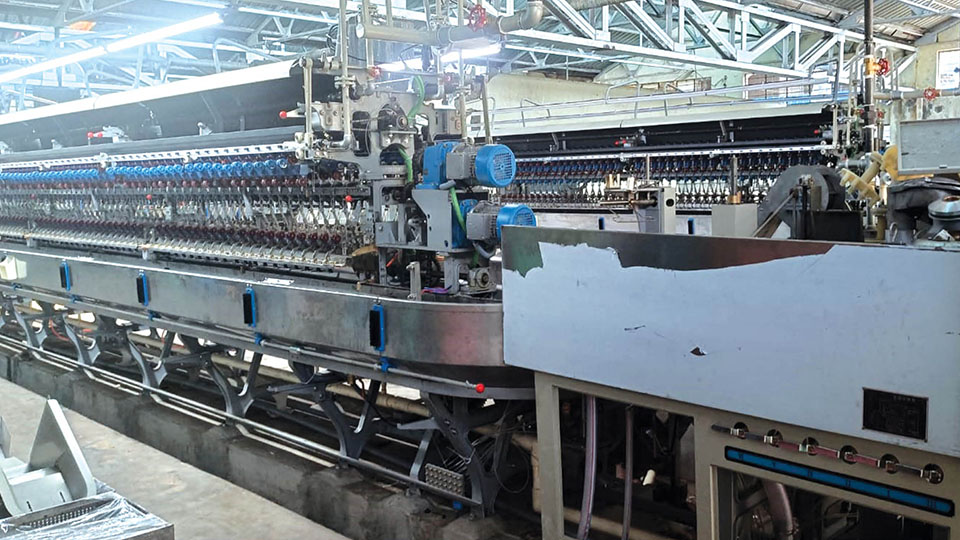
Adds two new machines to boost silk yarn production; recruits 30 workers
Mysore/Mysuru: Mysore Silk sarees, which continue to enjoy unmatched popularity even after more than a century, may soon be available in larger quantities with Karnataka Silk Industries Corporation (KSIC) procuring two new machines for its 114-year-old Filature Factory at Bhyrapura in T. Narasipur taluk.
The two newly procured machines, each with a capacity of 200 hertz, are being installed at the factory following tenders floated by the KSIC head office in Bengaluru. Officials said the installation process is a massive exercise and is expected to take nearly a month to complete.
At present, the factory operates two older machines of 400 hertz capacity, which together produce around 180 kg of high-quality silk yarn daily. Once the new machines become operational, daily production is expected to increase to nearly 200 to 250 kg of silk yarn, officials told Star of Mysore.
Civil works to build the platform for the new machinery had begun in February and March, coinciding with the indefinite protest by workers opposing the proposal to construct a stadium on a portion of the factory land.
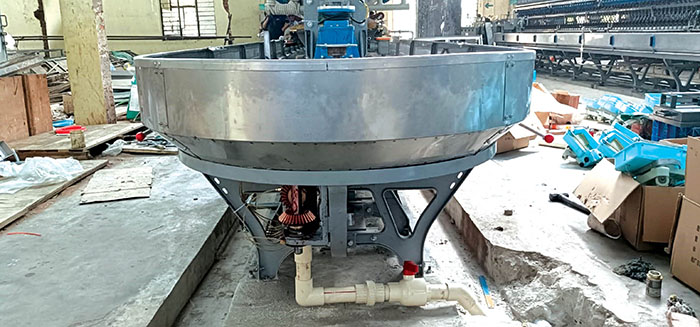
30 outsourced staff recruited
To operate the new machines, the factory management has already recruited 30 outsourced employees. They are expected to undergo training to handle the advanced technology-based machinery. Officials said the machines are likely to become operational from June, marking another milestone in the history of the factory founded by Nalwadi Krishnaraja Wadiyar in 1912.
The filature factory is considered the mother unit supplying silk reels to KSIC silk factories in Mysuru and Channapatna, where the iconic Mysore Silk sarees are woven. Officials believe the addition of the two machines will significantly help meet the growing demand for Mysore Silk sarees. The factory currently has over 200 employees, many of whom work overtime during peak demand periods using the existing machines. With additional machinery and manpower, silk yarn production is expected to increase substantially.
Land returned after protests
The filature factory had recently drawn public attention after 5 acres of its 13.11-acre land was allotted to Sports Department for construction of a stadium. The proposal triggered a series of protests, with workers and activists arguing that the move would threaten the future expansion and functioning of the historic silk unit.
Following sustained opposition, the Government eventually withdrew the land allotment to the Sports Department and restored the land to KSIC Filature Factory.

Recent Comments