


Specialists at Manipal Hospital urge citizens to recognise warning signs
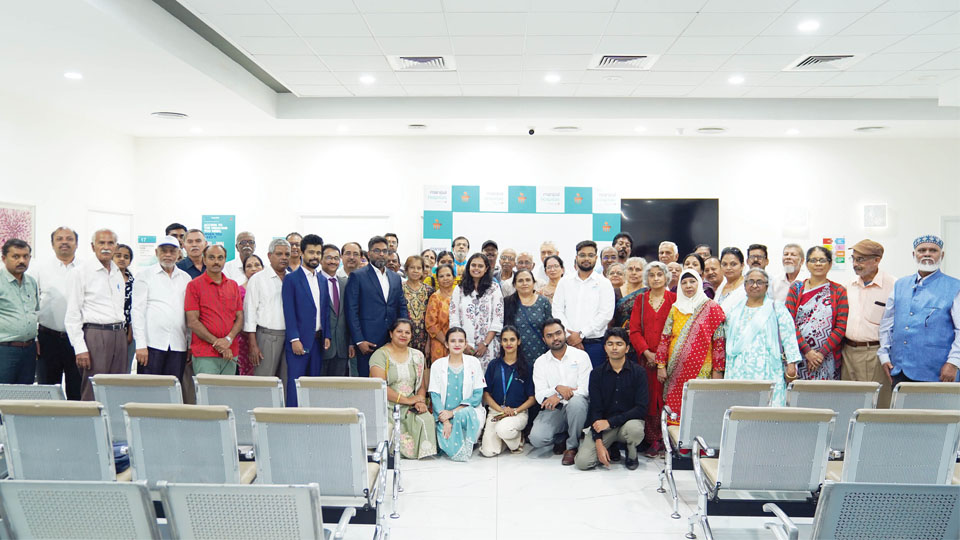
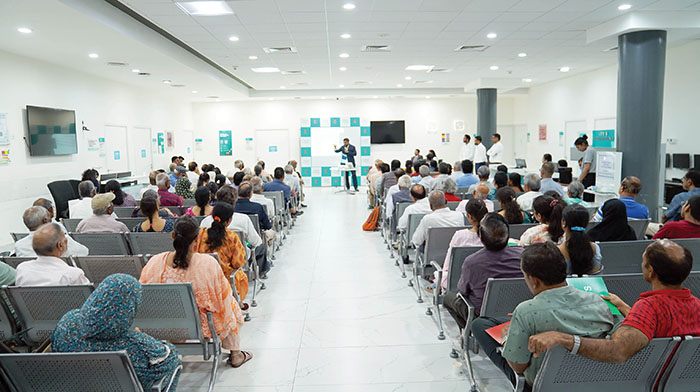
Mysore/Mysuru: Manipal Hospital, Mysore, hosted a special edition of the Manipal Health Summit on stroke awareness recently. The programme focused on the significance of timely intervention and how acting within 4.5 (four hours thirty minutes) hours of first signs of stroke, also called the “Golden Hour” can reverse disability.
Opening the discussion, Dr. A.R. Maqsood Ahmed, Senior Consultant – Neurosurgery, Cerebrovascular & Endovascular Surgery, Manipal Hospital, Mysore, explained how scientific advancements in minimally invasive endovascular stroke treatment have made reversibility possible in many stroke cases, particularly the ischemic strokes.
“Stroke is reversible, but only when people act fast. In ischemic stroke, if they reach us within the golden treatment window, advanced interventions including thrombolysis and mechanical thrombectomy can restore blood flow, prevent brain cell death and drastically improve outcomes. The key message is simple, do not waste time, come immediately,” he said.
Building on the importance of early action, Dr. K.S. Venugopal Krishna, Senior Consultant — Neurology, Manipal Hospital Mysore, emphasised that early identification of stroke symptoms at the household level, is critical. He urged families to remember the BE FAST mnemonic and not ignore sudden changes even if temporary.
“The BE FAST rule is something every family should know. BE FAST stands for Balance issues, Eye sight changes such as sudden visual disturbance or double vision, Face asymmetry, Arm weakness, Speech difficulty, and Time to rush to emergency. If any one of these appear suddenly, treat it as stroke symptoms until proven otherwise,” he stressed.
Speaking on the preventable nature of stroke, Dr. M.V. Sucharitha, Associate Consultant – Neurology, Manipal Hospital, Mysore, stated that most strokes can be avoided if high-risk individuals actively manage their metabolic and lifestyle triggers.
“Most strokes are linked to modifiable risk factors like uncontrolled blood pressure, elevated cholesterol, diabetes, smoking, obesity, physical inactivity and excessive alcohol. Managing these proactively, especially in people above 40, helps reduce the chances of stroke,” she explained.
Highlighting the preventive role of nutrition, Ayesha Shariff, Dietitian and Nutrition Expert, Manipal Hospital, Mysore, drew attention to the direct link between eating habits and vascular health.
“A heart-healthy, brain-healthy diet is the simplest preventive measure for stroke. Include more fruits, vegetables, whole grains and lean proteins in your regular diet and reduce the consumption of salt saturated fats and trans fats. Balanced nutrition supports cholesterol control and blood pressure, and thereby promote stroke prevention,” she said.

Recent Comments