


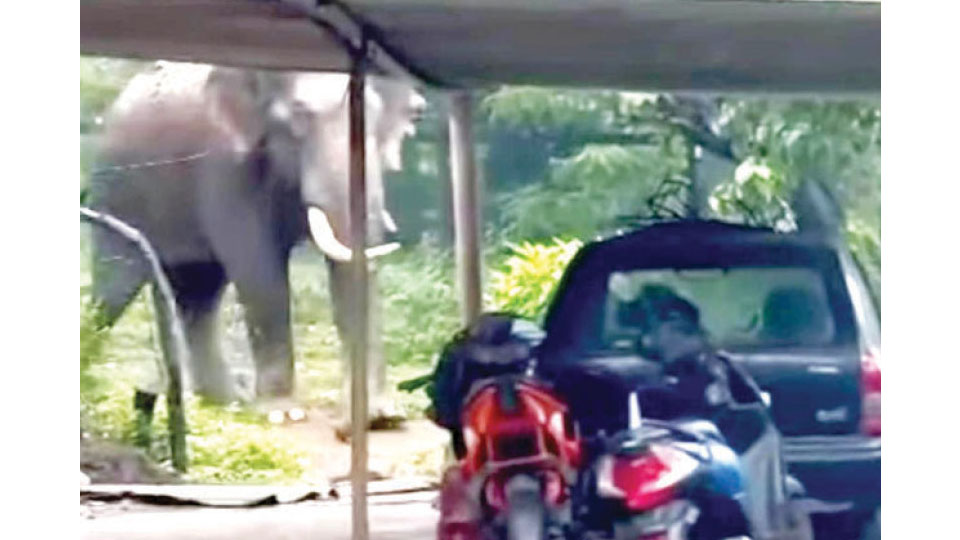
Mysore/Mysuru: More than 160 people, including five school and college students, have lost their lives in wildlife attacks across Karnataka over the past three years, Forest Minister Eshwar B. Khandre informed the Legislative Council.
Replying to a question by MLC K. Vivekananda on student fatalities in such incidents, the Minister said 65 people were killed in 2023–24, 46 in 2024–25 and 50 people, including five students, up to February 2026.
Explaining the reasons behind the increasing human-wildlife conflict, Khandre pointed to the steady rise in populations of elephants, tigers, leopards and bears.
Tiger numbers have increased from 406 in 2014 to 524 in 2018 and 563 in 2022, while the leopard population rose from 1,783 in 2018 to 1,879 in 2022. Elephant numbers stood at 6,072 in 2012, 6,049 in 2017 and 6,395 in 2023.
He said rapid urbanisation, expansion of agriculture, pressure on forest land, habitat fragmentation and the spread of invasive weeds such as lantana have worsened the situation.
Crops like paddy, coconut, banana and jackfruit grown on private lands adjoining forests attract wild animals, while obstructions to traditional elephant corridors have further intensified the conflict.
Barricades, task forces
To prevent elephants from straying outside forests, the Government has installed solar-powered fencing, elephant-proof trenches and rail barricades. So far, 428 km of rail barricades have been completed.
Ten elephant task forces have been formed in districts such as Hassan, Chikkamagaluru, Mysuru, Kodagu, Chamarajanagar, Ramanagara and Bengaluru, besides Bandipur Tiger Reserve and Sringeri-Koppa region.
For capture operations, trained elephants are being used along with teams comprising veterinarians, mahouts and support staff.
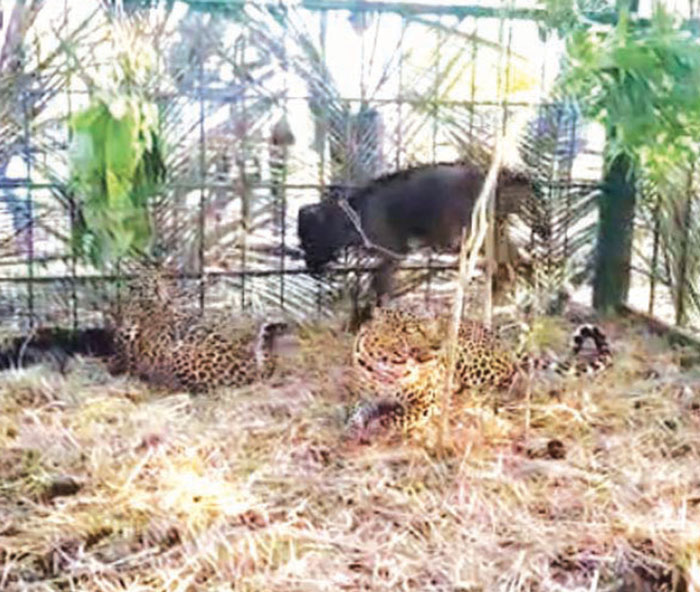
Leopard task forces have also been constituted in conflict-prone areas, including Mysuru, Nanjangud, H.D. Kote, Saragur, T. Narasipur, Mandya, Pandavapura and Nagamangala.
The Minister said lakes are being created and rejuvenated in protected areas, invasive weeds are being cleared to encourage grass growth and wildlife corridors are being planned to allow animals to move freely between forests.
24×7 control rooms
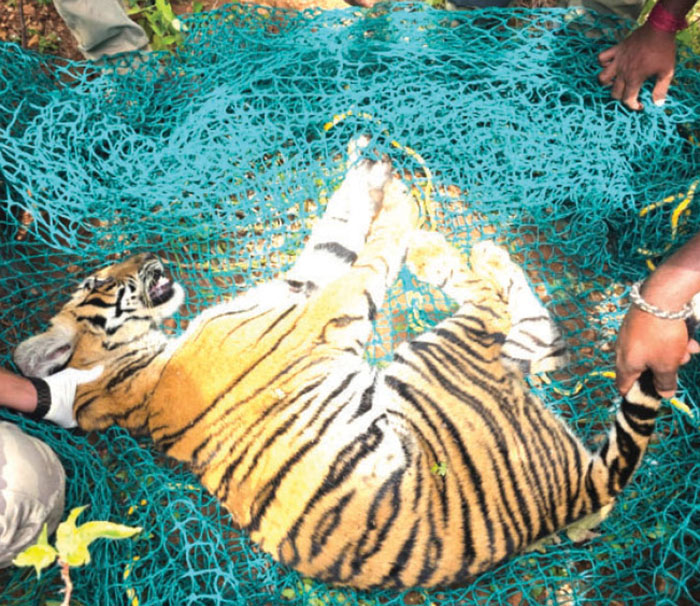
Control rooms have been set up to enable elephant and leopard task forces to function 24×7, while special human-wildlife conflict teams have been deployed in sensitive zones. Wireless communication networks and elephant information centres are also supporting the monitoring effort.
Radio collars have been fitted on adult female elephants to track herd movements and help authorities respond quickly to potential conflict situations.
Khandre said the measures are aimed at reducing human-wildlife conflict while safeguarding both communities and wildlife habitats.




Recent Comments